
Specialist Evaluation of Jaw-Associated Headaches
Headaches are common but not all headaches originate in the brain.
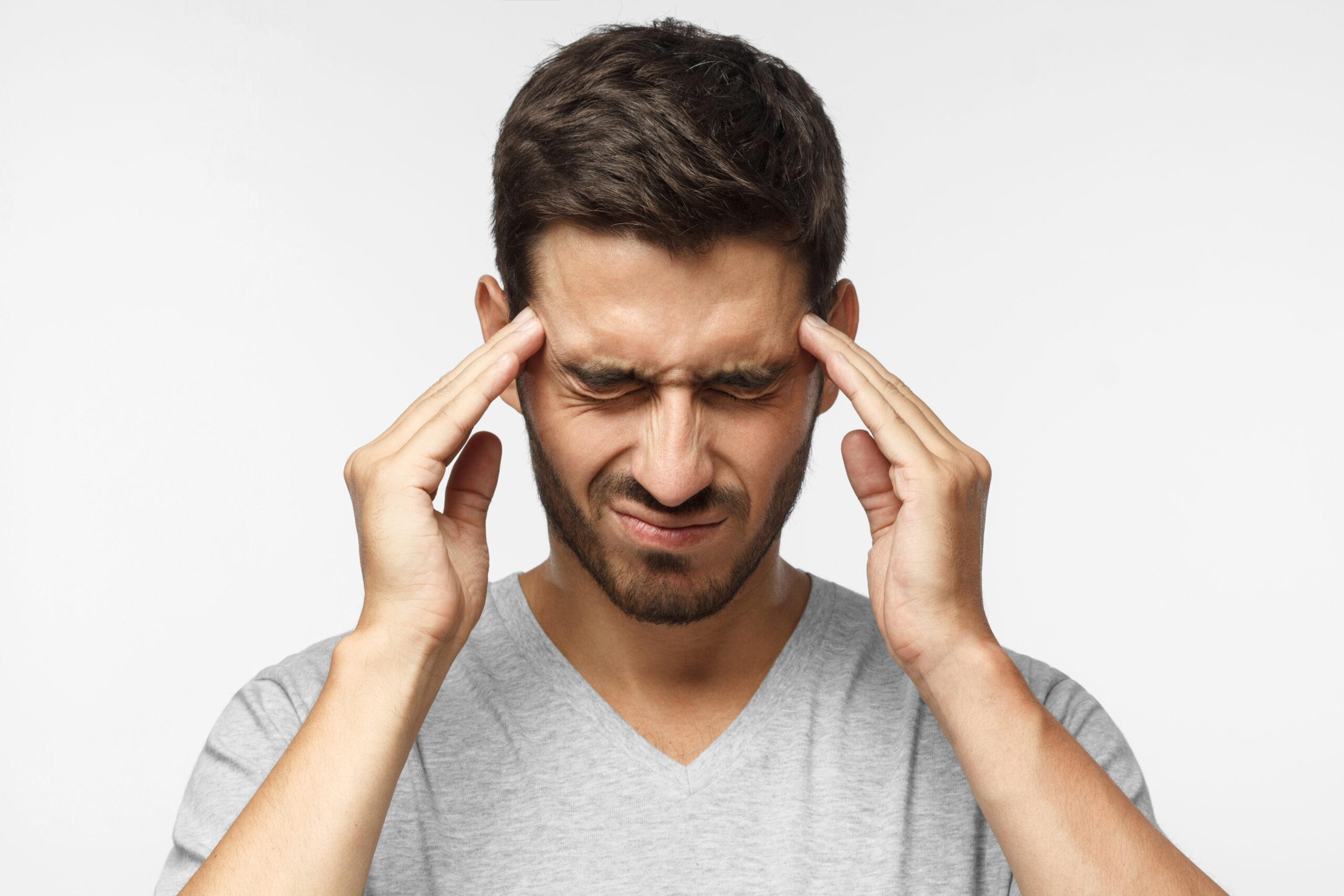
In many cases, persistent temple pressure, facial tension, or morning headaches are linked to jaw muscle overactivity or temporomandibular dysfunction.
Dr Hafsa Al Idrissi provides specialist assessment of TMJ-related headaches, integrating prosthodontic expertise with advanced training in orofacial pain.
Can the Jaw Cause Headaches?
Yes.
The jaw muscles and temporomandibular joints share close anatomical and neurological connections with the temples, face, and skull.
When these muscles become overactive or strained, pain may be referred to:
- The temples
- The forehead
- Behind the eyes
- The sides of the head
This is known as referred pain and it is often mistaken for primary headache disorders.
Common Signs Your Headaches May Be Jaw-Related
You may benefit from evaluation if:
- Headaches are worse in the morning
- Temple pain accompanies jaw tightness
- You grind or clench your teeth
- Jaw clicking is present
- Headaches worsen when chewing
- Facial muscles feel tender
- You have worn teeth
Not all headaches are TMJ-related, but these signs suggest further assessment may be appropriate.
Why TMD-Related Headaches Occur
Several mechanisms may contribute:
Muscle Overactivity
The temporalis muscle, located at the temples, becomes strained during clenching.
Bite Imbalance
Uneven tooth contact may trigger compensatory muscle tension.
Bruxism (Teeth Grinding)
Night-time grinding overloads jaw muscles.
Airway & Sleep Disturbance
Subconscious jaw positioning may occur during breathing instability.
Nervous System Sensitisation
Chronic stress amplifies pain perception and muscle activation.
Identifying the dominant factor guides treatment.
Specialist Diagnostic Approach
Evaluation includes:
- Detailed headache history
- Assessment of clenching patterns
- Muscle palpation
- Bite and occlusal analysis
- Jaw movement evaluation
- Airway and sleep consideration
- Review of previous dental work
This helps differentiate jaw-related headaches from primary neurological conditions.
If symptoms suggest non-dental origin, appropriate referral is recommended.
Treatment Options
Management depends on diagnosis and may include:
Occlusal Splint Therapy
Custom appliances can reduce muscle strain and joint loading.
Bite Stabilisation
Minor occlusal corrections when imbalance contributes.
Muscle Relaxation Protocols
Reducing chronic overactivity.
Functional Rehabilitation
Where significant occlusal instability exists.
Coordinated Care
Collaboration with physicians or physiotherapists when necessary.
Treatment focuses on restoring functional balance not masking pain.
TMJ Headaches vs Migraines
TMJ-related headaches may:
- Feel like dull pressure
- Be located at the temples
- Worsen with jaw movement
- Improve with splint stabilisation
Migraines often include:
- Light sensitivity
- Nausea
- Visual disturbances
A careful clinical history helps distinguish patterns.
What to Expect During Care
Following evaluation:
- Diagnosis is explained clearly
- A structured management plan is outlined
- Stabilisation therapy may be initiated
- Symptoms are monitored over time
Improvement may be gradual as muscle strain reduces.
luctus nec ullamcorper mattis, pulvinar dapibus leo.
Your feel-good journey starts now
Request TMJ-Related Headache Assessment in Dubai
If you experience persistent temple pressure, facial tension, or morning headaches alongside jaw symptoms, specialist evaluation can determine whether TMJ dysfunction is contributing.
Frequently Asked Questions
Can a dentist treat headaches?
When headaches are jaw-related, dental management may help.
Will a splint eliminate headaches immediately?
Improvement varies. Stabilisation takes time.
Do I need imaging?
Only if clinically indicated.
What if headaches continue?
Referral for neurological evaluation may be recommended.