
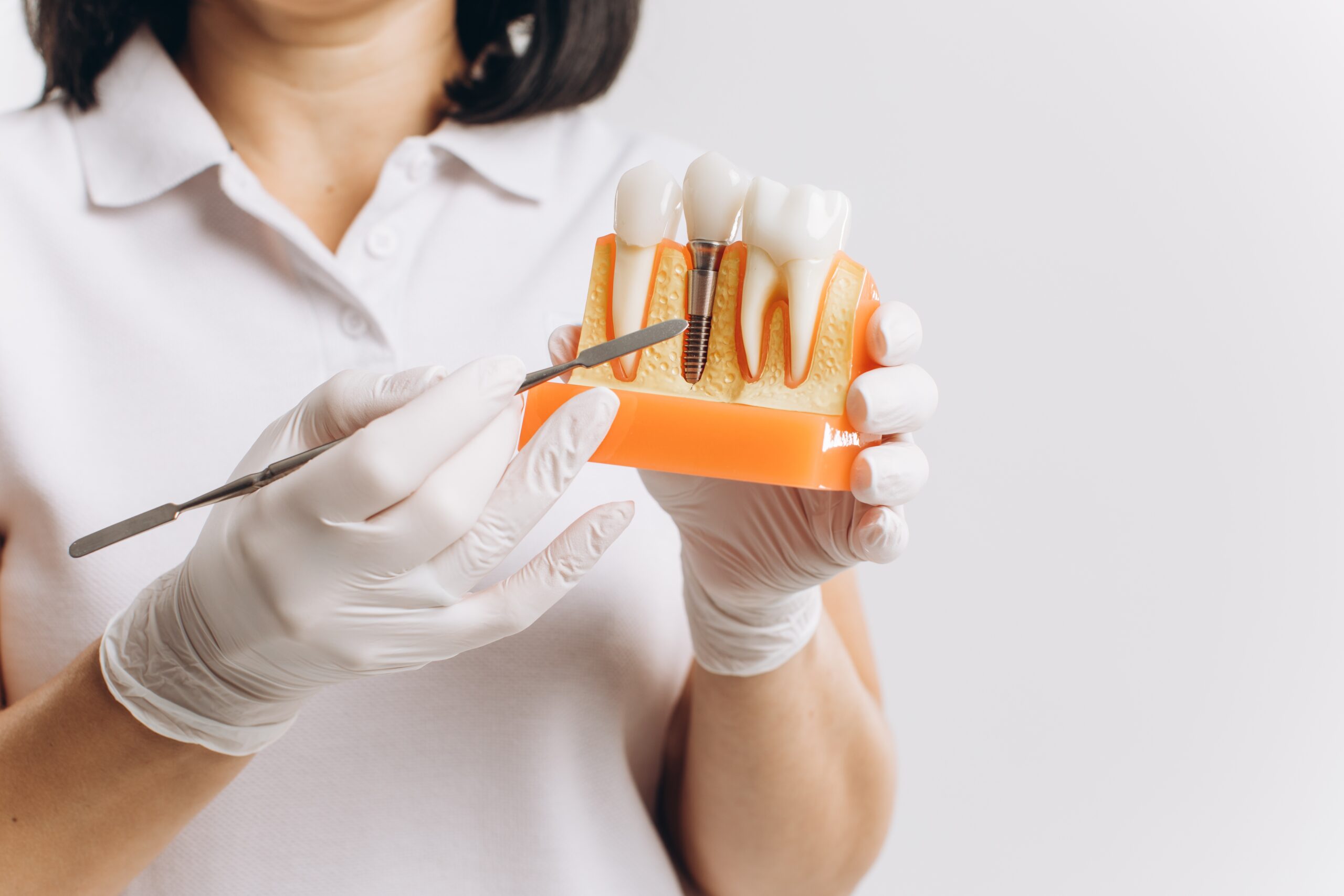
Specialist Replacement of Single & Multiple Missing Teeth
Missing teeth affect more than appearance. They influence:
- Chewing efficiency
- Bite balance
- Jaw stability
- Facial support
- Long-term oral health
Replacing missing teeth requires structured planning to restore function, stability, and comfort.
Dr Hafsa Al Idrissi provides specialist missing teeth solutions in Dubai, offering implant-supported, fixed, and removable options based on individual diagnosis.
Why Replacing Missing Teeth Is Important
When teeth are lost, adjacent structures compensate.
This may lead to:
- Shifting of neighbouring teeth
- Bite imbalance
- Overloading of remaining teeth
- Jaw discomfort
- Bone resorption
- Accelerated wear
Early intervention helps prevent progressive complications.
Options for Replacing Missing Teeth
The appropriate solution depends on:
- Number of missing teeth
- Bone support
- Condition of remaining teeth
- Bite stability
- Patient preference
- Functional demands
Treatment is individualised.
Single Missing Tooth
Option: Implant-Supported Crown
A dental implant replaces the root, and a custom crown restores the visible portion.
Advantages:
- Preserves adjacent teeth
- Maintains bone support
- Provides stable function
- Long-term durability
This is often the preferred solution when bone conditions allow.
Option: Fixed Bridge
A bridge replaces a missing tooth by anchoring to adjacent teeth.
Suitable when:
- Adjacent teeth require crowns
- Implant placement is not feasible
Bridges require careful occlusal planning to ensure longevity.
Multiple Missing Teeth
When several teeth are missing, options may include:
Implant-Supported Bridge
Implants anchor a fixed prosthesis without relying solely on natural teeth.
This improves:
- Stability
- Force distribution
- Longevity
Removable Partial Denture
A removable appliance replacing multiple teeth.
Indicated when:
- Extensive bone loss is present
- Implants are not suitable
- A transitional solution is required
Modern designs aim for improved comfort and function.
Complete Tooth Loss (Full Arch)
When all teeth are missing in one or both arches, options include:
Implant-Supported Full-Arch Prosthesis
Fixed restoration supported by strategically placed implants.
Benefits:
- Improved stability
- Natural chewing function
- Enhanced comfort
- Reduced movement
Implant-Retained Overdentures
Removable dentures stabilised by implants.
Provides:
- Increased retention
- Improved confidence
- Enhanced chewing ability
Conventional Complete Dentures
Removable full dentures supported by gum tissue.
Appropriate when:
- Implant placement is not possible
- Patient preference dictates removable option
Careful design is essential to optimise fit and comfort.
Choosing the Right Solution
The ideal solution depends on:
- Bone quantity and quality
- Occlusal stability
- Jaw joint health
- Muscle balance
- Overall restorative condition
In complex cases, missing teeth replacement may be part of broader prosthodontic rehabilitation.
Missing Teeth & Bite Stability
Leaving gaps untreated may:
- Cause neighbouring teeth to tilt
- Alter bite dynamics
- Increase strain on remaining teeth
- Contribute to muscle imbalance
Proper replacement restores load distribution.
The Specialist Planning Process
- Comprehensive evaluation
- Imaging and structural assessment
- Bite analysis
- Discussion of options
- Phased treatment planning
Long-term stability is prioritised over quick solutions.
Your feel-good journey starts now
Request Missing Teeth Consultation in Dubai
If you have one or multiple missing teeth, specialist evaluation can determine the most appropriate replacement option based on function, stability, and long-term goals.
Frequently Asked Questions
Are implants always better than dentures?
Implants offer stability, but suitability depends on bone and health factors.
Can I replace only one tooth?
Yes. Single implant crowns are common and effective.
How long does implant treatment take?
It varies depending on healing and complexity.
Are removable dentures uncomfortable?
Modern designs aim to improve comfort, but adaptation varies.