
Specialist Orofacial Pain Care by a Consultant Prosthodontist
Persistent jaw pain, clicking, locking, or headaches are not normal.
While many patients are told these symptoms are “stress-related,” temporomandibular disorders (TMD) often involve identifiable structural and functional contributors that require proper specialist evaluation.
Dr Hafsa Al Idrissi provides comprehensive assessment and conservative management of TMJ and TMD conditions, integrating prosthodontic expertise with advanced training in orofacial pain management.
What Is TMD?
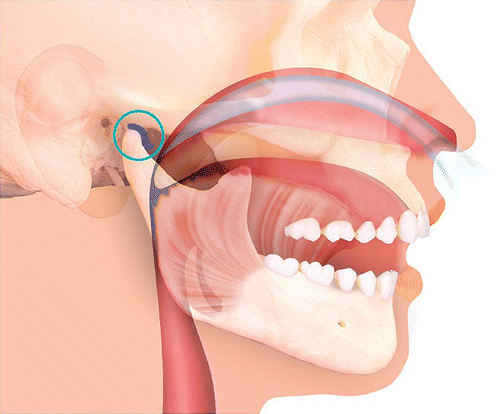
The temporomandibular joints (TMJ) connect the lower jaw (mandible) to the skull. These joints are responsible for essential movements such as OPENING OR CLOSING THE MOUTH, chewing, and yawning.
Temporomandibular disorders (TMD) refer to a group of conditions affecting:
- The jaw joints
- Surrounding muscles
- Supporting ligaments
- Bite alignment and occlusion
When these structures become overloaded, imbalanced, or inflamed, symptoms can develop gradually or suddenly.
Common Symptoms of TMD
You may benefit from specialist evaluation if you experience:
- Jaw pain or stiffness
- Clicking, popping, or grinding sounds when opening or closing
- Jaw locking (open or closed)
- Pain while chewing
- Limited mouth opening
- Headaches near the temples
- Facial muscle tenderness
- Ear discomfort without infection
- Teeth grinding or clenching
- Neck and shoulder tightness
Not every clicking jaw requires treatment.
However, persistent pain, locking, or functional limitation should not be ignored.
Why TMD Develops
TMD is rarely caused by a single factor. It is usually multifactorial.
Common contributors include:
1. Bite Imbalance (Occlusal Disharmony)
When the upper and lower teeth do not contact evenly, excessive load may be placed on the joints or muscles.
2. Bruxism (Clenching or Grinding)
Chronic muscle overactivity places sustained pressure on the TMJ.
3. Previous Dental Restorations
Crowns, bridges, orthodontics, or cosmetic procedures can sometimes alter bite dynamics.
4. Muscle Overactivity & Myofascial Dysfunction
Trigger points in facial muscles can create referred pain patterns.
5. Airway & Breathing Patterns
Patients with sleep-disordered breathing may clench subconsciously as a protective airway response.
6. Nervous System Stress Load
Chronic stress can amplify muscle tension and pain perception.
A proper evaluation considers all of these elements not just the joint.
How TMD Is Diagnosed
As a Consultant Prosthodontist trained in Orofacial Pain, Dr Hafsa performs a detailed assessment that may include:
- Comprehensive symptom history
- Joint movement analysis
- Muscle palpation and trigger point identification
- Occlusal and bite evaluation
- Assessment of clenching patterns
- Airway and sleep-related considerations
- Review of previous dental treatments
- Diagnostic imaging where indicated
The aim is to understand why symptoms are occurring not simply confirm that they exist.
Conservative Treatment Philosophy
TMD management does not automatically mean invasive treatment.
In fact, conservative, reversible approaches are typically first-line.
Treatment may include:
Custom Occlusal Splint Therapy
A precisely designed appliance that stabilises the bite, reduces joint loading, and allows muscles to relax.
Bite Stabilization
Minor occlusal adjustments or stabilisation strategies when appropriate.
Muscle Relaxation & Functional Strategies
Guided techniques to reduce overactivity.
Monitoring & Structured Review
Symptom tracking over time ensures adjustments are evidence-based.
Interdisciplinary Collaboration
Referral to physiotherapy, ENT, or sleep specialists when indicated.
Surgery is rarely required and is not considered a first-line option.
The Role of Splint Therapy in TMJ Treatment
Not all night guards are equal.
A properly designed occlusal splint is:
- Individually fabricated
- Based on accurate bite analysis
- Adjusted over time
- Used as a diagnostic and therapeutic tool
In many cases, splint therapy allows inflammation to reduce and muscles to rebalance before any further intervention is considered.
When to Seek Specialist TMJ Care
You should consider specialist evaluation if:
- Pain persists beyond several weeks
- Symptoms return despite using a generic night guard
- Jaw locking episodes occur
- Headaches are recurrent and temple-based
- You are planning orthodontic or cosmetic dental treatment
- Your bite feels unstable or uncomfortable
Early evaluation may prevent progression and long-term joint damage.
What to Expect at Your Consultation
Your first appointment includes:
- Detailed discussion of symptoms
- Comprehensive functional examination
- Explanation of findings in clear terms
- Discussion of conservative management options
- Personalised treatment plan
Not every patient requires long-term treatment.
Some require stabilisation and monitoring only.
Can TMJ Disorders Resolve on Their Own?
Mild symptoms may fluctuate.
However, persistent pain, locking, or progressive wear should be assessed.
Ignoring symptoms can sometimes lead to:
- Increased joint strain
- Progressive tooth wear
- Chronic muscle tension
- Ongoing headaches
Timely evaluation supports informed decision-making.
Your feel-good journey starts now
Request Specialist TMJ Treatment in Dubai
If you are experiencing jaw pain, clicking, locking, or persistent facial discomfort, a comprehensive evaluation can help clarify the cause and determine appropriate management.
Frequently Asked Questions
Is jaw clicking always serious?
Not necessarily. Clicking without pain may not require intervention. Pain or locking warrants assessment.
Do I need surgery?
Surgery is rarely required. Conservative management is first-line.
Can stress alone cause TMJ?
Surgery is rarely required. Conservative management is first-line.
Can TMJ cause headaches?
Yes. Jaw muscle tension frequently refers pain to the temples and head.
How long does treatment take?
This depends on severity. Some cases improve within weeks; others require structured management.
How long does treatment take?
This depends on severity. Some cases improve within weeks; others require structured management.