
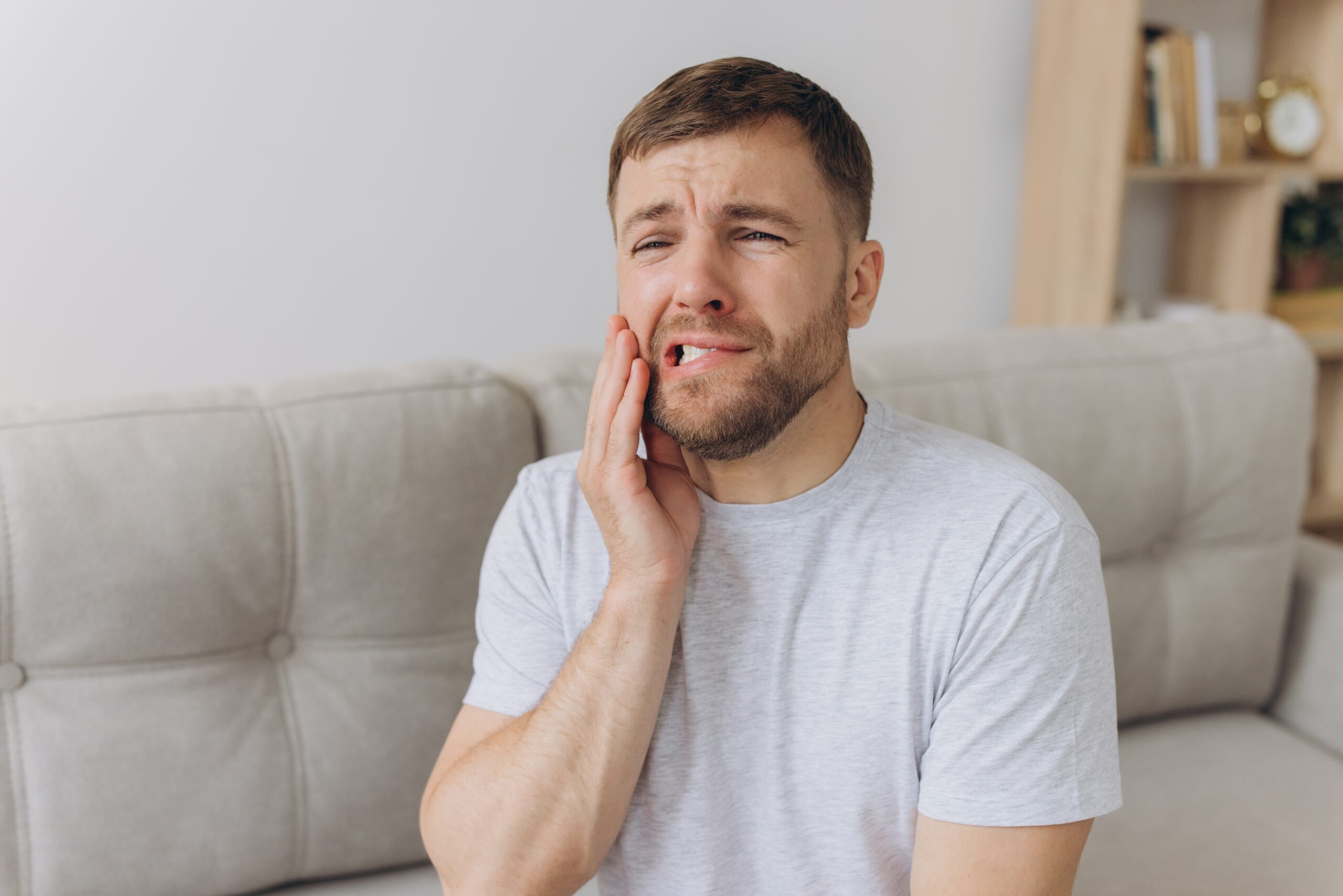
Specialist Assessment & Management of Persistent Jaw and Facial Pain
Jaw pain is often dismissed as stress, teeth grinding, or “something temporary.”
However, when discomfort persists, returns repeatedly, or interferes with daily function, it requires proper evaluation.
Dr Hafsa Al Idrissi provides specialist-led jaw pain treatment in Dubai, integrating prosthodontic expertise with advanced training in orofacial pain and functional dentistry.
Understanding Jaw Pain
Jaw pain may originate from several structures, including:
- The temporomandibular joints (TMJ)
- The surrounding muscles
- The bite (occlusion)
- Dental restorations
- Airway-related muscle patterns
Because multiple systems are involved, symptoms may not always feel localised to the jaw.
Patients frequently report:
- Pain while chewing
- Facial tenderness
- Tightness around the temples
- Clicking or grinding sounds
- Morning stiffness
- Ear pressure without infection
- Neck and shoulder tension
Identifying the underlying driver is essential for long-term relief.
Why Jaw Pain Persists
Many patients attempt self-management using over-the-counter guards, pain medication, or short-term muscle relaxants. While these may temporarily reduce discomfort, they do not address underlying contributors.
Persistent jaw pain often involves:
Bite Instability
When upper and lower teeth do not contact harmoniously, the joints and muscles compensate.
Chronic Clenching or Bruxism
Repeated loading increases joint strain and muscle fatigue.
Inadequate Splint Design
Generic or poorly adjusted night guards may worsen imbalance.
Muscle Trigger Points
Facial muscles can develop localised tension that refers pain elsewhere.
Airway-Related Clenching
In some individuals, subconscious jaw positioning supports breathing during sleep.
A specialist evaluation helps clarify which of these factors are relevant.
Specialist Diagnostic Approach
Jaw pain treatment begins with understanding why pain is occurring.
Your consultation may include:
- Detailed symptom discussion
- Functional jaw movement assessment
- Palpation of facial and neck muscles
- Occlusal and bite analysis
- Evaluation of wear patterns
- Airway and sleep considerations
- Review of prior dental treatments
- Imaging when clinically indicated
This structured assessment allows for accurate differentiation between joint-related, muscle-related, or bite-related pain.
Treatment Options for Jaw Pain
Management is conservative and tailored to the individual.
Depending on findings, treatment may include:
Custom Occlusal Splint Therapy
A stabilising appliance designed specifically for your bite to reduce joint strain and muscle overactivity.
Bite Stabilisation
Targeted adjustments to improve occlusal harmony where appropriate.
Muscle Management Strategies
Reducing overactive muscle patterns through guided protocols.
Functional Rehabilitation
In cases where worn teeth or complex restorations contribute to instability, prosthodontic correction may be considered.
Interdisciplinary Referral
Collaboration with physiotherapy or sleep specialists when needed.
The objective is restoring functional balance, not masking symptoms.
When Should You Seek Specialist Jaw Pain Care?
Consider a comprehensive evaluation if:
- Pain persists longer than a few weeks
- Symptoms return repeatedly
- Jaw clicking progresses to locking
- Headaches accompany jaw tension
- Teeth show signs of wear
- Previous treatment has not resolved symptoms
- You are considering orthodontic or cosmetic treatment but have jaw discomfort
Early assessment often prevents progression.
Jaw Pain & Headaches
Jaw muscle overactivity frequently refers pain to the temples, leading to recurring headaches.
Morning headaches may indicate:
- Night-time clenching
- Poor bite stabilisation
- Muscle fatigue
- Sleep-related airway strain
Proper evaluation determines whether jaw dysfunction contributes to headache patterns.
Jaw Pain & Teeth Grinding (Bruxism)
Chronic grinding can:
- Accelerate tooth wear
- Increase joint loading
- Cause facial muscle fatigue
- Lead to sensitivity
While stress may be a factor, structural contributors are often involved.
Custom-designed splints and bite stabilisation may reduce progression.
What to Expect During Treatment
Jaw pain management is typically structured and monitored.
After initial assessment:
- A stabilisation plan is developed
- Appliances are designed and fitted where indicated
- Follow-up reviews ensure proper adaptation
- Adjustments are made as needed
- Long-term monitoring supports stability
Some patients experience improvement within weeks. Others require gradual stabilisation over time.
Your feel-good journey starts now
Request Jaw Pain Treatment in Dubai
If you are experiencing persistent jaw discomfort, clicking, muscle tightness, or headaches, specialist assessment can help determine the cause and guide appropriate management.
Frequently Asked Questions
Is jaw pain always related to TMJ?
Not always. It may involve muscles, bite imbalance, or referred pain patterns.
Do I need a night guard?
Only if indicated after assessment. Not all guards are appropriate.
Can cosmetic dentistry worsen jaw pain?
If bite stability is not carefully evaluated, cosmetic procedures may influence jaw dynamics.
Is jaw pain permanent?
In many cases, conservative management significantly reduces symptoms.