
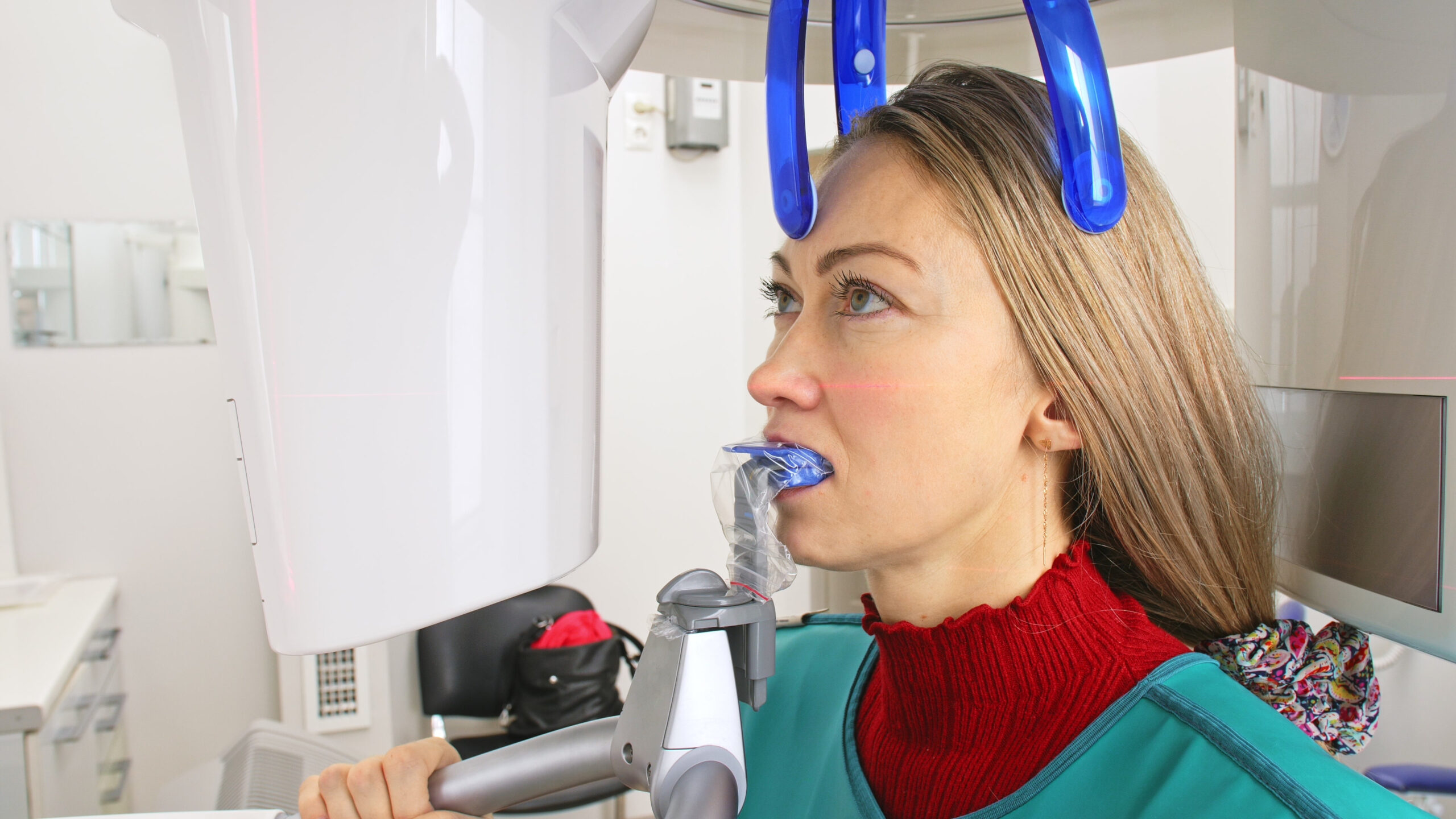
Specialist Assessment of Bite Dysfunction & Jaw-Muscle Imbalance
Your bite is not just how your teeth meet.
It is a dynamic relationship between the teeth, jaw joints, muscles, and nervous system.
When this relationship becomes imbalanced, symptoms may develop gradually often without obvious structural damage.
Dr Hafsa Al Idrissi provides specialist neuromuscular bite assessment and stabilisation for patients experiencing jaw discomfort, muscle fatigue, and functional instability.
What Is Neuromuscular Bite Dysfunction?
Neuromuscular bite dysfunction occurs when:
- The teeth do not meet harmoniously
- The jaw position forces muscles to compensate
- Muscle activity becomes excessive or unbalanced
- Joint mechanics are strained
The result may not immediately appear as joint damage but as muscle tension, fatigue, or discomfort.
Over time, this imbalance can contribute to:
- Jaw pain
- Facial muscle tightness
- Headaches
- Tooth wear
- Clicking or popping
- Difficulty chewing comfortably
How the Bite Affects Muscles
When the upper and lower teeth contact unevenly, the jaw must shift slightly to find a comfortable position.
That small shift may:
- Activate muscles continuously
- Increase joint loading
- Create trigger points
- Cause long-term fatigue
The nervous system attempts to adapt but adaptation is not always sustainable.
When to Consider Neuromuscular Evaluation
Specialist bite assessment may be appropriate if:
- Your bite feels unstable or “off”
- Teeth show accelerated wear
- You experience recurring muscle tension
- Splint therapy provided only partial relief
- You are planning major restorative or cosmetic work
- Previous orthodontic treatment altered your bite
- You feel fatigue in the jaw after chewing
Bite dysfunction is not always visible in standard imaging it requires functional assessment.
Specialist Diagnostic Approach
Neuromuscular bite therapy begins with detailed evaluation, which may include:
- Occlusal contact analysis
- Jaw movement assessment
- Muscle palpation
- Assessment of clenching patterns
- Review of previous restorations
- Functional bite recording
- Airway considerations where relevant
The goal is to understand how teeth, muscles, and joints interact.
Treatment Approach
Management depends on the severity and underlying cause.
Treatment may involve:
Stabilisation Phase
Custom-designed occlusal splint therapy to reduce muscle overactivity and confirm diagnosis.
Bite Rebalancing
Minor occlusal adjustments where appropriate.
Prosthodontic Rehabilitation
In cases of worn dentition or complex restorative history, structured rehabilitation may be recommended.
Gradual Functional Correction
Adjustments are made conservatively and progressively.
Immediate, aggressive reshaping is avoided unless clearly indicated.
Neuromuscular Bite Therapy & Cosmetic Dentistry
Before veneers, orthodontics, or full-mouth reconstruction, bite stability must be confirmed.
Ignoring neuromuscular imbalance can:
- Increase risk of restoration failure
- Worsen jaw discomfort
- Lead to long-term instability
Functional stability supports aesthetic longevity.
Neuromuscular Therapy & Headaches
Muscle imbalance may contribute to:
- Temple headaches
- Facial fatigue
- Pressure around the jaw
- Neck strain
Correcting occlusal disharmony often reduces compensatory muscle activity.
What to Expect During Treatment
- Comprehensive assessment
- Diagnosis explanation
- Stabilisation phase (if required)
- Monitoring and adjustment
- Long-term maintenance strategy
Treatment is measured and evidence-based.
Your feel-good journey starts now
Request Neuromuscular Bite Evaluation in Dubai
If your bite feels unstable, you experience chronic jaw fatigue, or previous treatment has not resolved symptoms, a specialist evaluation may clarify whether neuromuscular imbalance is contributing.
Frequently Asked Questions
Is occlusal reconstruction cosmetic?
No. It is functional rehabilitation focused on bite stability.
Will my teeth be shaved down?
Only when clinically necessary and conservatively performed.
Is this the same as orthodontics?
Orthodontics moves teeth. Occlusal reconstruction restores functional harmony.
How long does treatment take?
It depends on complexity and whether the vertical dimension needs restoration.