
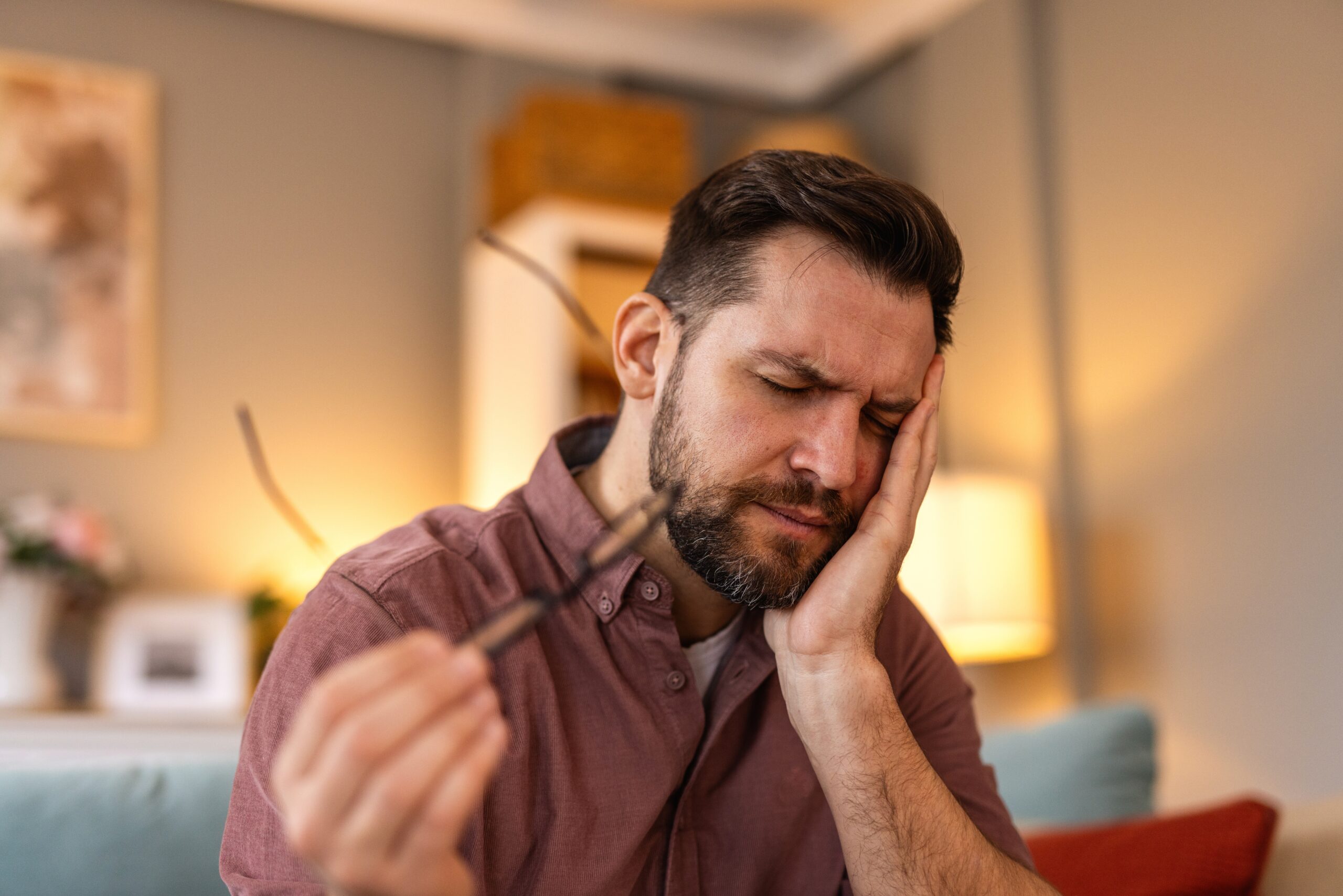
Specialist Management of Facial & Jaw Muscle Pain
Facial muscle pain is often misunderstood.
Many patients experience persistent tension, tenderness, or aching around the jaw, temples, and cheeks yet imaging may show no structural joint damage. In these cases, the source of discomfort is frequently muscular.
Dr Hafsa Al Idrissi provides specialist evaluation and conservative management of myofascial pain affecting the jaw and facial muscles.
What Is Myofascial Pain?
Myofascial pain refers to discomfort arising from overactive or strained muscles and trigger points within the facial and jaw region.
These muscles include:
- Masseter muscles (cheek muscles used for chewing)
- Temporalis muscles (temple region)
- Pterygoid muscles (deep jaw stabilisers)
- Supporting neck and shoulder muscles
When these muscles are overloaded, they can develop sensitive areas known as trigger points, which may refer pain to other regions.
Common Symptoms of Myofascial Pain
You may be experiencing myofascial pain if you notice:
- Tenderness when touching jaw muscles
- Aching in the cheeks or temples
- Morning facial tightness
- Pain that worsens with chewing
- Tension headaches
- Jaw fatigue
- Limited mouth opening without joint locking
Unlike structural joint disorders, myofascial pain is primarily muscular though it may coexist with TMJ conditions.
Why Facial Muscles Become Overactive
Muscle-related jaw pain often develops gradually.
Common contributing factors include:
Chronic Clenching or Bruxism
Repetitive muscle contraction during sleep or stress overloads tissues.
Bite Imbalance
Uneven contact between teeth may cause compensatory muscle activity.
Emotional Stress Load
Stress can amplify unconscious clenching patterns.
Airway-Related Jaw Positioning
In some individuals, jaw positioning adapts subconsciously to support breathing during sleep.
Postural Strain
Neck and shoulder tension can influence jaw muscle mechanics.
Identifying the primary driver is key to long-term improvement.
Specialist Evaluation
Assessment includes:
- Detailed pain history
- Muscle palpation and trigger point identification
- Bite analysis
- Evaluation of wear patterns
- Airway and breathing pattern consideration
- Functional jaw movement assessment
This structured approach helps distinguish muscle-dominant pain from joint-based TMD.
Treatment Approach for Myofascial Pain
Management is conservative and tailored.
Depending on findings, treatment may include:
Occlusal Stabilisation
Custom splint therapy may reduce muscle overactivity.
Bite Adjustment
Minor corrections when occlusal imbalance contributes.
Muscle Relaxation Strategies
Structured protocols to reduce muscle hyperactivity.
Monitoring & Gradual Stabilisation
Symptom response is reviewed over time.
Interdisciplinary Referral
Where necessary, physiotherapy or sleep evaluation may be recommended.
The aim is to restore coordinated muscle function, not simply to temporarily reduce symptoms.
Myofascial Pain & Headaches
Trigger points in the temporalis muscle frequently refer pain to the temples.
Patients may describe:
- Pressure headaches
- Dull temple aching
- Pain that worsens with jaw use
Muscle-driven headaches often improve once clenching patterns are addressed.
Myofascial Pain & Teeth Grinding
Grinding during sleep may:
- Fatigue muscles overnight
- Cause morning tightness
- Increase facial soreness
Properly designed stabilisation appliances can reduce muscle strain.
What to Expect During Treatment
Treatment is structured and monitored.
- Diagnosis and explanation
- Appliance or stabilisation plan if indicated
- Follow-up adjustments
- Symptom reassessment
- Long-term maintenance where necessary
Improvement may be gradual as muscles rebalance.
Your feel-good journey starts now
Request Myofascial Pain Assessment in Dubai
If you experience persistent facial muscle tension, temple discomfort, or jaw fatigue, specialist evaluation can clarify the cause and guide conservative treatment.
Frequently Asked Questions
Is myofascial pain the same as TMJ?
Not exactly. TMJ refers to joint disorders; myofascial pain involves muscles.
Will imaging show muscle pain?
Not always. Diagnosis is primarily clinical.
Can stress alone cause this?
Stress contributes, but bite and airway factors may also play roles.
Is it permanent?
In many cases, symptoms improve significantly with structured management.