
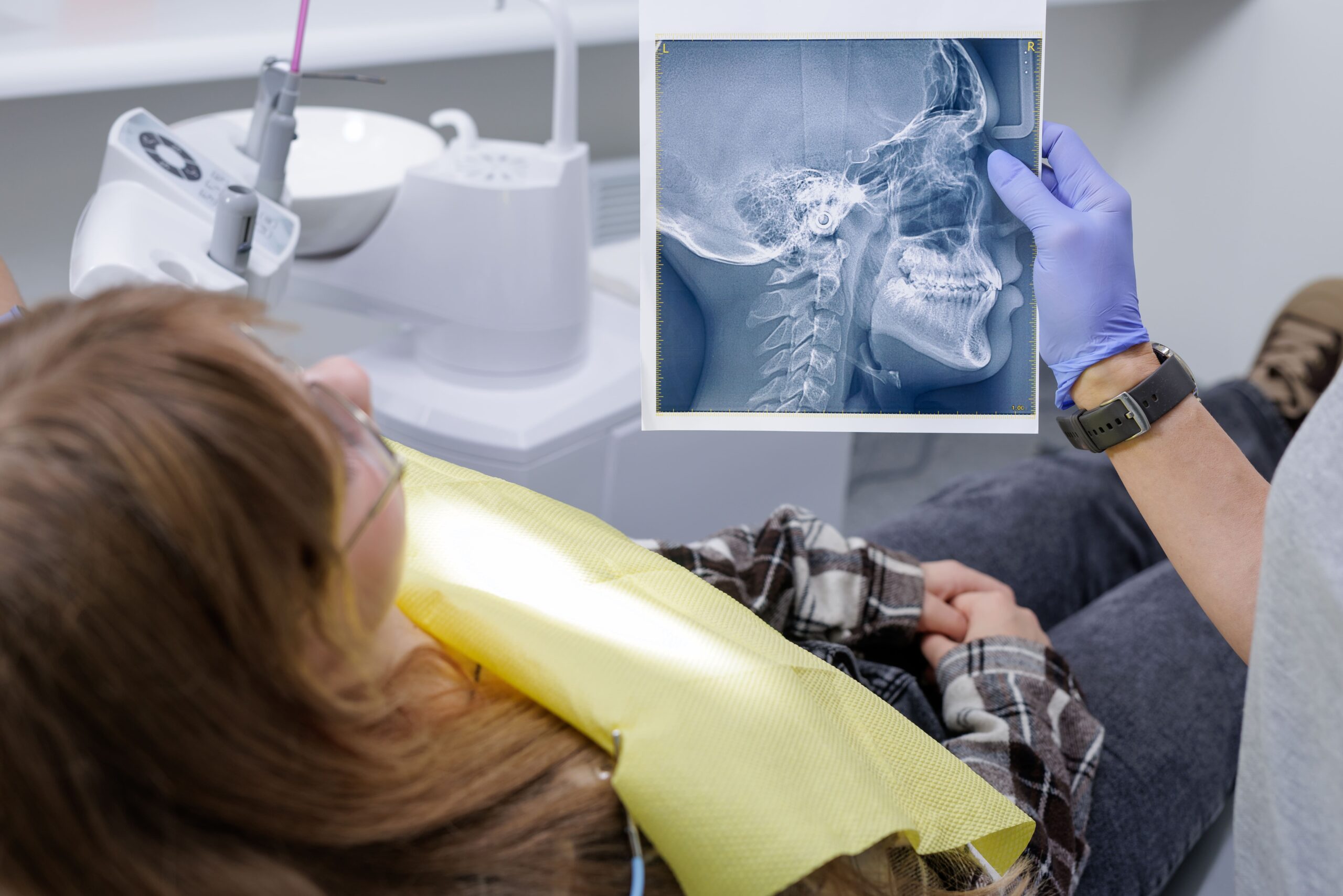
Comprehensive Evaluation of Structural & Functional Contributors to Breathing Instability
Breathing is foundational to health yet airway considerations are often overlooked in routine dental care.
An airway-centric risk assessment evaluates how jaw structure, bite position, tongue posture, and craniofacial development may influence breathing during sleep.
Dr Hafsa Al Idrissi provides structured airway-focused dental assessment in Dubai, integrating prosthodontic expertise with training in dental sleep medicine and functional bite evaluation.
What Is Airway-Centric Dentistry?
Airway-centric dentistry recognises the relationship between:
- Jaw position
- Dental arch form
- Tongue space
- Facial skeletal development
- Bite stability
- Sleep-related breathing patterns
Rather than treating teeth in isolation, this approach evaluates how oral structures may influence airway patency especially during sleep.
Why Airway Risk Assessment Matters
Many patients present with:
- Chronic fatigue
- Morning headaches
- Jaw tension
- Teeth grinding
- Snoring
- Mouth breathing
- Unexplained muscle tightness
These symptoms may appear unrelated but can share a common denominator: breathing instability.
An airway risk assessment helps identify whether further medical evaluation is appropriate.
Structural Factors Evaluated
Airway assessment may include evaluation of:
Jaw Size & Position
A retruded or narrow jaw may reduce posterior airway space.
Dental Arch Width
Constricted arches can influence tongue positioning.
Tongue Posture
Low tongue posture may contribute to airway narrowing.
Bite Relationship
Occlusal imbalance can influence mandibular positioning.
Signs of Bruxism
Grinding may indicate compensatory muscle activity.
Facial Growth Patterns
Craniofacial structure influences airway dimensions.
These findings are integrated into overall risk analysis.
Functional Indicators Reviewed
In addition to structural factors, functional signs are assessed:
- Mouth breathing
- Snoring history
- Daytime fatigue
- Clenching patterns
- Sleep disruption
- Neck and jaw muscle tension
These signs may suggest the need for further sleep evaluation.
Airway Risk Assessment & Dental Planning
Airway considerations are particularly important in:
- Orthodontic planning
- Full-mouth rehabilitation
- Cosmetic dentistry
- TMD management
- Prosthodontic reconstruction
Ignoring airway factors may compromise long-term stability.
For example:
- Excessive reduction of vertical dimension may impact airway
- Mandibular positioning influences breathing space
- Restorative planning must respect functional balance
The Role of Referral
An airway-centric dental assessment does not diagnose sleep apnea.
If risk indicators are identified, referral for formal sleep testing may be recommended.
Collaboration with:
- Sleep physicians
- ENT specialists
- Medical practitioners
ensures responsible and coordinated care.
Who Should Consider Airway Assessment?
Airway-focused evaluation may be appropriate for:
- Patients planning major restorative treatment
- Individuals with chronic snoring
- Patients with mild diagnosed sleep apnea
- Individuals with persistent fatigue
- Patients with jaw tension and bruxism
- Those who feel unrefreshed despite adequate sleep time
Early identification supports preventive care.
What to Expect During Your Consultation
- Detailed health and sleep history
- Evaluation of jaw structure and occlusion
- Functional muscle assessment
- Airway risk discussion
- Recommendation for further evaluation if indicated
The process is structured, measured, and evidence-based.
Your feel-good journey starts now
Request Airway-Centric Risk Assessment in Dubai
If you are planning dental treatment or experience symptoms linked to sleep and breathing, a structured airway-focused evaluation can provide clarity and guide responsible management.
Frequently Asked Questions
Does airway assessment replace a sleep study?
No. It identifies risk and supports referral where appropriate.
Is this relevant if I don’t snore?
Yes. Not all airway instability presents with snoring.
Is this only for sleep apnea?
No. It also informs dental treatment planning.
Can airway problems cause jaw pain?
In some cases, compensatory jaw positioning may contribute to muscle strain.