
Sleep Apnea Screening in Dubai – Symptoms, Diagnosis & Treatment for Better Sleep
Sleep apnea is a serious sleep disorder that causes repeated pauses in breathing during sleep. Many people suffer from loud snoring, daytime fatigue, headaches, poor concentration, and interrupted sleep without realizing that obstructive sleep apnea may be the cause. At Dr Hafsa Alidrissi, we provide comprehensive sleep apnea screening in Dubai to help identify breathing disorders, improve sleep quality, and support long-term health.
What Is Sleep Apnea?
Sleep apnea is a condition where breathing repeatedly stops and starts during sleep due to airway obstruction or reduced airflow. The most common form is obstructive sleep apnea (OSA), which occurs when throat muscles relax and block the airway.
Common symptoms include:
- Loud snoring
- Gasping for air during sleep
- Waking up tired
- Morning headaches
- Dry mouth after sleep
- Excessive daytime sleepiness
- Poor concentration and memory
- Irritability and fatigue
Many patients search for answers using phrases like:
- “Why do I wake up tired every day?”
- “Why do I stop breathing in my sleep?”
- “Why am I always exhausted after sleeping?”
These are often signs of undiagnosed sleep apnea.
Why Sleep Apnea Screening Is Important
Untreated sleep apnea can affect your overall health and quality of life. It may increase the risk of:
- High blood pressure
- Heart disease
- Stroke
- Diabetes
- Chronic fatigue
- Anxiety and mood disturbances
- Reduced productivity and concentration
Early diagnosis of sleep apnea can help prevent serious complications and improve sleep, breathing, energy levels, and overall well-being.
Signs You May Need a Sleep Apnea Test
You may benefit from a sleep apnea screening if you experience:
- Loud chronic snoring
- Interrupted breathing during sleep
- Choking or gasping at night
- Difficulty staying asleep
- Daytime fatigue
- Poor sleep quality
- Jaw tension or teeth grinding
- Morning headaches
- Difficulty focusing during the day
Patients with TMJ disorders, airway issues, or chronic snoring may also require further airway and sleep assessment.
Our Sleep Apnea Screening Process
At Dr Hafsa Alidrissi Clinic, the screening process is designed to evaluate breathing patterns, airway structure, jaw alignment, and sleep-related symptoms.
Comprehensive Consultation
We begin with a detailed assessment of your symptoms, sleep quality, medical history, and airway health.
Airway & Jaw Evaluation
Since airway obstruction and jaw positioning can contribute to sleep apnea, a full examination of oral structures and breathing function is performed.
Sleep Disorder Assessment
Patients showing signs of obstructive sleep apnea may be referred for further sleep studies or advanced diagnostic evaluation.
Personalized Treatment Planning
Depending on the severity of the condition, treatment options may include:
- Oral appliance therapy
- Snoring devices
- CPAP guidance
- Airway-focused dental care
- Lifestyle recommendations
- Sleep habit improvement strategies
Snoring and Sleep Apnea
Many people assume snoring is harmless, but persistent loud snoring may indicate airway obstruction or sleep apnea.
Snoring combined with:
- choking during sleep,
- daytime fatigue,
- or breathing pauses
should never be ignored.
Sleep apnea screening helps determine whether snoring is a simple lifestyle issue or a more serious breathing disorder requiring treatment.
Sleep Apnea Treatment Options in Dubai
Treatment depends on the severity of the condition and the underlying cause. Options may include:
Oral Appliance Therapy
Custom-made mandibular advancement devices can help keep the airway open during sleep.
CPAP Therapy
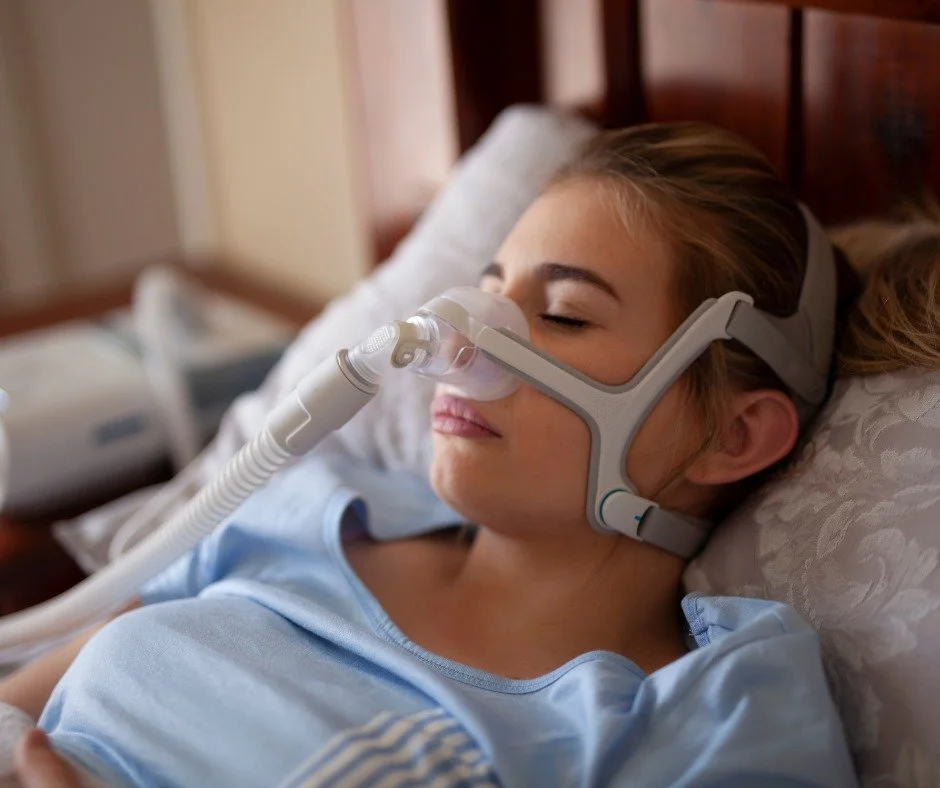
Continuous Positive Airway Pressure (CPAP) machines support uninterrupted breathing for moderate to severe sleep apnea.
Airway-Focused Dentistry
Addressing jaw alignment, bite issues, and airway restriction may improve breathing quality during sleep.
Lifestyle & Sleep Improvements
Weight management, sleep positioning, and reducing alcohol or smoking may also help reduce symptoms.
Why Choose Dr Hafsa Alidrissi for Sleep Apnea Screening in Dubai
- Specialist-led airway and dental sleep assessment
- Experience in TMJ, airway, and prosthodontic care
- Personalized patient-focused treatment plans
- Advanced diagnostic approach
- Comprehensive evaluation of breathing, jaw function, and sleep quality
Dr Hafsa Alidrissi Clinic Dubai is located in Dubai Healthcare City and provides integrated care for sleep-related breathing disorders.
Your feel-good journey starts now
Request Airway & Sleep Apnea Screening in Dubai
If you experience chronic snoring, fatigue, or jaw tension related to sleep, a structured airway-focused assessment can determine whether further investigation is needed.
Frequently Asked Questions
What is oral appliance therapy for sleep apnea?
Oral appliance therapy uses a custom-fitted mandibular advancement device (MAD) to reposition the lower jaw forward during sleep, keeping the airway open. It is an alternative to CPAP for mild to moderate obstructive sleep apnea.
Is oral appliance therapy as effective as CPAP?
For mild to moderate OSA, oral appliance therapy is highly effective and recommended as a first-line CPAP alternative. Oral appliances have much higher patient compliance than CPAP, making them more practical in real-world use
Do I need a sleep study before getting an oral appliance in Dubai?
Yes. A sleep study is required before oral appliance therapy is prescribed. It confirms the OSA diagnosis and severity. Dr Hafsa can guide you through the referral process from your first consultation at Dubai Healthcare City.
Can a dental appliance help with snoring without sleep apnea?
Yes. Mandibular advancement devices are effective for primary snoring even without sleep apnea. An assessment will determine if an oral appliance is appropriate after ruling out underlying OSA.
Who should get a sleep apnea screening?
Anyone experiencing snoring, fatigue, poor sleep quality, or breathing interruptions during sleep should consider screening.