The best sleep apnea treatment in Dubai depends on the type and severity of sleep apnea, individual airway anatomy and the patient’s ability to tolerate treatment. Common options include CPAP therapy, custom oral appliance therapy, lifestyle modifications and, in selected cases, surgical treatment. Dr. Hafsa Al Idrissi provides airway-focused dental sleep medicine care, including sleep …

Best Sleep Apnea Treatment in Dubai
If you are searching for the best sleep apnea treatment in Dubai, the most important thing to understand is that there is no single treatment that is right for every patient.
The right treatment depends on several factors, including:
- The type of sleep apnea
- The severity of the condition
- Your airway anatomy
- Jaw and oral structures
- Weight and lifestyle factors
- Whether you can tolerate CPAP therapy
- Your medical diagnosis and overall health
Obstructive sleep apnea (OSA) occurs when the upper airway repeatedly becomes partially or completely blocked during sleep. This can lead to loud snoring, breathing pauses, gasping, poor-quality sleep and excessive daytime tiredness.
Common treatment options include CPAP therapy, oral appliance therapy, lifestyle modifications and, in selected cases, surgical treatment. A personalised assessment is essential to determine the most appropriate approach.
For patients looking for sleep apnea treatment in Dubai, Dr. Hafsa Al Idrissi provides specialist dental sleep medicine and airway-focused care as part of a collaborative approach with medical professionals.
Learn more about Dental Sleep Medicine & Airway Care in Dubai.
What Is Sleep Apnea?
Sleep apnea is a sleep-related breathing disorder in which breathing repeatedly stops or becomes significantly reduced during sleep.
The most common type is obstructive sleep apnea (OSA). It happens when the muscles and soft tissues of the throat relax during sleep and narrow or block the airway.
Common symptoms of sleep apnea include:
- Loud and chronic snoring
- Breathing pauses during sleep
- Gasping or choking while sleeping
- Morning headaches
- Dry mouth upon waking
- Excessive daytime sleepiness
- Difficulty concentrating
- Poor memory
- Restless sleep
- Chronic fatigue
Untreated sleep apnea may be associated with serious health concerns, which is why persistent symptoms should be properly assessed by an appropriate healthcare professional.
Sleep Apnea Screening in Dubai: The First Step Towards Better Sleep
Before choosing a treatment, proper sleep apnea screening and diagnosis are essential.
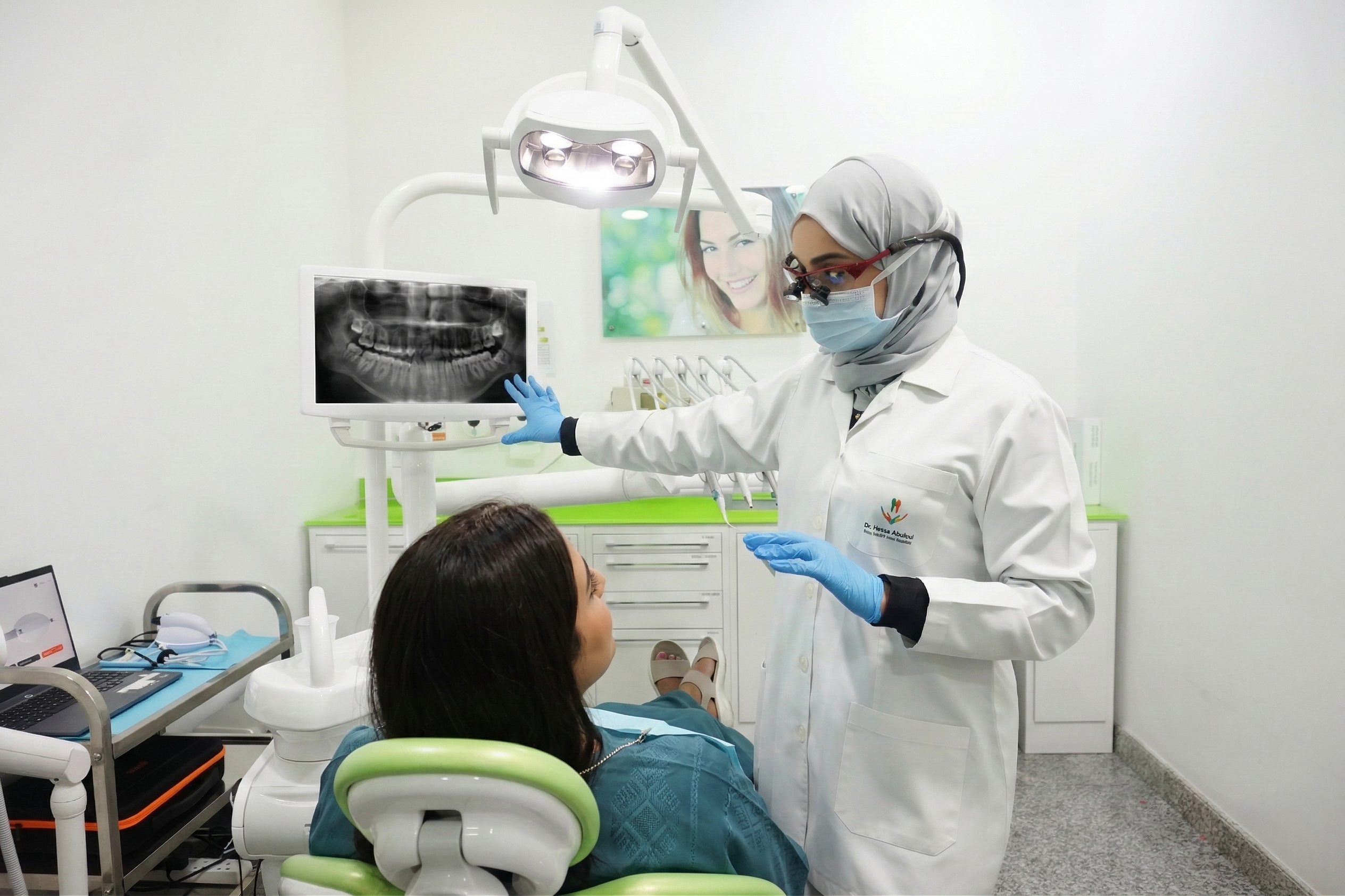
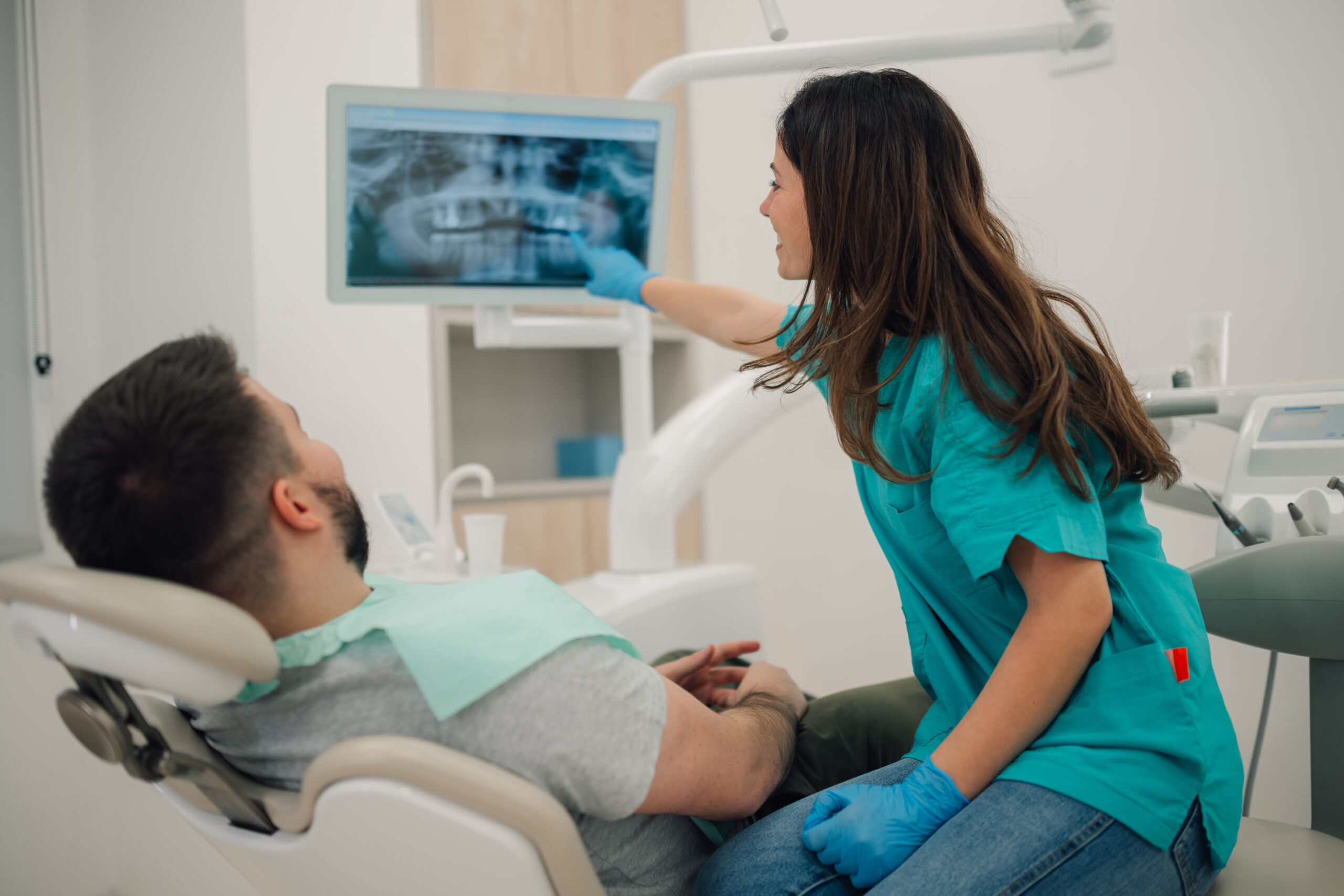
A healthcare professional may recommend a sleep study or other diagnostic assessment to determine whether sleep apnea is present and how severe it is. Dental and airway assessments can also help identify oral and structural factors that may contribute to airway instability.
At Dr. Hafsa Al Idrissi’s practice, airway-focused dental evaluation considers the relationship between oral structures, jaw position, breathing and sleep-related symptoms.
Explore Sleep Apnea Screening in Dubai.
A proper assessment is particularly important because treatment should be based on an established diagnosis rather than snoring alone.
CPAP Therapy for Sleep Apnea
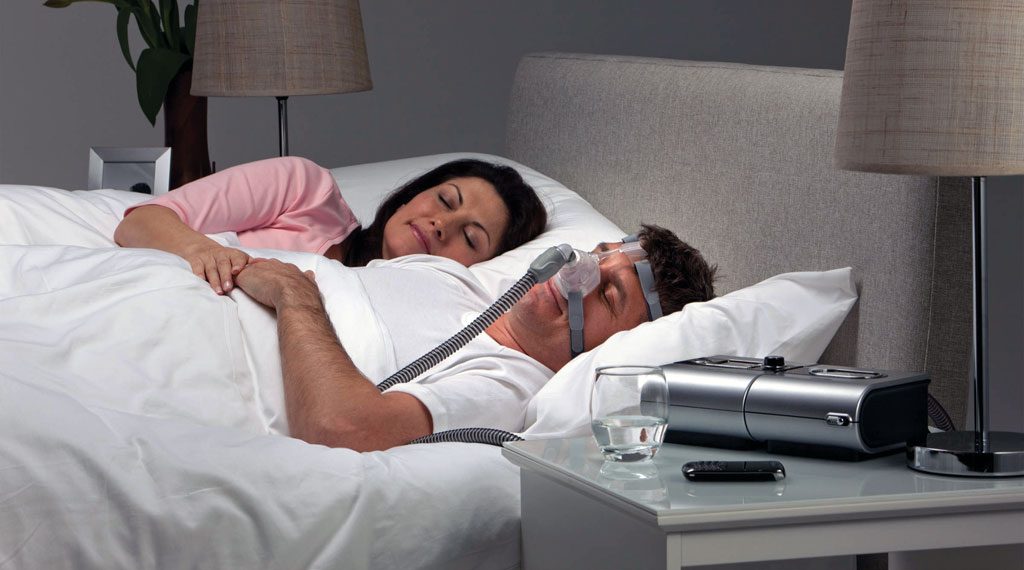
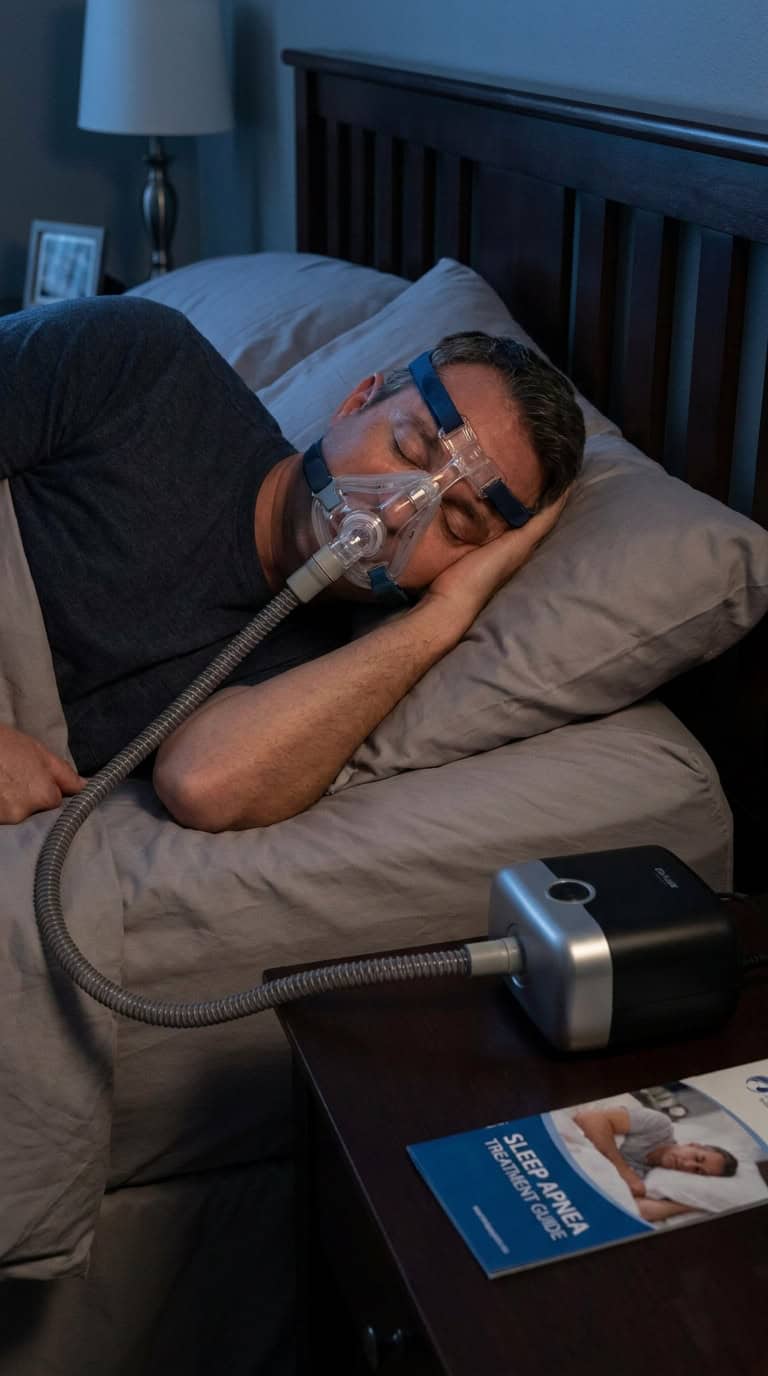
Continuous Positive Airway Pressure (CPAP) is one of the most widely used treatments for obstructive sleep apnea.
A CPAP machine delivers pressurised air through a mask to help keep the airway open while you sleep. CPAP and other positive airway pressure therapies are commonly used, particularly for moderate to severe obstructive sleep apnea.
Benefits of CPAP Therapy
CPAP may help:
- Keep the airway open during sleep
- Reduce breathing interruptions
- Improve sleep quality
- Reduce daytime sleepiness
- Reduce snoring in many patients
However, some patients find it difficult to tolerate a CPAP mask or consistent nightly use. In these situations, other treatment options may be considered depending on the patient’s diagnosis and clinical suitability.
Oral Appliance Therapy for Sleep Apnea in Dubai
For selected patients, oral appliance therapy for sleep apnea can be an effective alternative or complementary treatment.
An oral appliance is a custom-made device worn during sleep. Depending on the appliance and the patient’s needs, it may help maintain a more favourable jaw or tongue position to reduce airway obstruction.
Custom oral appliances are commonly considered for appropriate patients with mild to moderate obstructive sleep apnea and for some patients who cannot tolerate CPAP therapy.
How Does an Oral Appliance Work?
A custom sleep apnea appliance may:
- Position the lower jaw forward
- Help prevent the tongue from falling backwards
- Support airway openness during sleep
- Reduce snoring in suitable patients
- Provide a more portable treatment option than CPAP
The American Academy of Dental Sleep Medicine provides standards for screening, treatment and management of sleep-related breathing disorders using oral appliance therapy.
Discover Oral Appliance Therapy for Sleep Apnea.
Sleep-Disordered Breathing Management in Dubai
Sleep-disordered breathing covers a spectrum of breathing problems during sleep, ranging from habitual snoring to obstructive sleep apnea.
While sleep apnea requires appropriate medical diagnosis, oral structures and jaw position can play an important role in airway stability. Dr. Hafsa’s approach to sleep-disordered breathing management focuses on structured dental support and collaboration with relevant medical professionals.
Snoring Treatment in Dubai: When Is Snoring a Warning Sign?
Not everyone who snores has sleep apnea. However, chronic loud snoring—particularly when accompanied by breathing pauses, choking or excessive daytime tiredness—should not be ignored.
Snoring may indicate an underlying airway issue or sleep-disordered breathing. A proper assessment can help determine whether further sleep apnea evaluation is necessary.
Airway-Centric Assessment for Sleep Apnea
An effective approach to sleep-related breathing problems should consider more than symptoms alone.
An airway-centric assessment may examine factors such as:
- Jaw position
- Oral anatomy
- Tongue position
- Bite relationship
- Airway stability
- Breathing patterns
- Sleep-related symptoms
Understanding these factors can help identify whether dental and oral structures may be contributing to airway instability.
Lifestyle Changes That May Support Sleep Apnea Treatment
Depending on the individual, lifestyle changes may be recommended alongside professional treatment.
These may include:
- Weight management where appropriate
- Regular physical activity
- Changing sleep position
- Avoiding alcohol close to bedtime
- Reviewing sedative medications with a doctor
- Improving overall sleep habits
Lifestyle changes may help reduce sleep apnea severity in some patients, but they should not replace appropriate diagnosis and treatment when clinically necessary.
When Is Surgery Considered for Sleep Apnea?
Surgical treatment may be considered for selected patients with specific anatomical issues or when appropriate non-surgical treatment options are unsuccessful or unsuitable.
Surgical options can include procedures designed to address obstruction in the upper airway or, in selected cases, jaw-related structural concerns. The decision should always follow a thorough medical and anatomical assessment.
What Is the Best Treatment for Obstructive Sleep Apnea?
The best treatment for obstructive sleep apnea is the treatment that is clinically appropriate for your diagnosis and that you can use effectively and consistently.
For example:
| Patient Situation | Possible Treatment Approach |
|---|---|
| Moderate to severe OSA | CPAP or other PAP therapy may be recommended |
| Mild to moderate OSA | Oral appliance therapy may be considered for suitable patients |
| CPAP intolerance | Custom oral appliance therapy may be considered depending on diagnosis |
| Positional sleep apnea | Positional therapy may be helpful for selected patients |
| Structural airway problems | Specialist evaluation and selected surgical options may be considered |
| Snoring without confirmed OSA | Assessment to identify the underlying cause |
Treatment decisions should always be personalised and coordinated with appropriately qualified healthcare professionals.
Frequently Asked Questions
What is the best sleep apnea treatment in Dubai?
There is no single treatment that is best for everyone. CPAP, oral appliance therapy, lifestyle modifications and surgical options may all be appropriate depending on the type and severity of sleep apnea and the patient’s individual anatomy.
Can a dentist help with sleep apnea?
A qualified dentist working in dental sleep medicine can contribute to the management of sleep-related breathing disorders, particularly through oral appliance therapy and assessment of oral and jaw-related factors. Medical diagnosis and interdisciplinary collaboration remain essential.
Is an oral appliance better than CPAP?
Not necessarily. CPAP is commonly used and highly effective, especially for moderate to severe OSA. Oral appliances can be an appropriate alternative for selected patients, including some people with mild to moderate OSA or those who cannot tolerate CPAP.
Can sleep apnea be treated without surgery?
Yes. Many patients are treated using non-surgical options such as CPAP, oral appliance therapy, lifestyle modifications and positional therapy, depending on their diagnosis.
What should I do if I snore loudly?
If you experience loud chronic snoring, breathing pauses, choking during sleep or excessive daytime fatigue, seek professional evaluation. These symptoms can be associated with sleep-disordered breathing or obstructive sleep apnea.
About Dr. Hafsa Al Idrissi
Dr. Hafsa Al Idrissi is a consultant prosthodontist in Dubai Healthcare City with expertise spanning complex dental care, prosthodontics, orofacial pain, TMJ-related concerns, dental sleep medicine and airway-focused care.
Her approach integrates an understanding of oral structures, jaw function, breathing and sleep-related concerns. For patients with sleep-disordered breathing, Dr. Hafsa provides structured dental support while working collaboratively with relevant medical professionals when diagnosis and multidisciplinary management are required.
Her areas of practice include:
- Sleep apnea screening
- Oral appliance therapy for sleep apnea
- Snoring management
- Sleep-disordered breathing management
- Airway-centric risk assessment
- TMJ and orofacial pain care
- Prosthodontic and functional rehabilitation
To learn more about Dr. Hafsa Al Idrissi and her services, visit Dr. Hafsa Al Idrissi’s official website.
Finding the Right Sleep Apnea Treatment in Dubai

Finding the Right Sleep Apnea Treatment in Dubai
If you are experiencing loud snoring, breathing interruptions, choking during sleep or persistent daytime fatigue, the right first step is a proper assessment.
The best sleep apnea treatment in Dubai is not simply about choosing CPAP or an oral appliance. It is about understanding the cause and severity of your sleep-related breathing problem and selecting a treatment plan based on your individual needs.
A personalised and collaborative approach can help identify the most appropriate pathway for managing sleep apnea, snoring and other sleep-disordered breathing concerns.
Tags:airway assessment DubaiAirway Care DubaiAirway-Centric Risk Assessment DubaiAlternative to CPAP for Sleep ApneaBest Doctor for Sleep Apnea in DubaiBest Sleep Apnea Treatment in DubaiCan a Dentist Treat Sleep Apneachronic snoring treatment DubaiCPAP Alternative DubaiCPAP therapy DubaiCPAP vs Oral ApplianceDental Airway Specialist DubaiDental Sleep Medicine DubaiDr Hafsa Al IdrissiHow to Treat Sleep Apnealoud snoring treatment DubaiMandibular Advancement Device DubaiObstructive Sleep Apnea Specialist DubaiObstructive Sleep Apnea Treatment DubaiOral Appliance for Sleep Apnea Dubaioral appliance therapy DubaiSleep Apnea Care DubaiSleep Apnea Consultation DubaiSleep Apnea Dental Appliance DubaiSleep apnea diagnosis DubaiSleep apnea doctor DubaiSleep Apnea Mouthguard Dubaisleep apnea screening Dubaisleep apnea specialist Dubaisleep apnea symptomssleep apnea treatment DubaiSleep Apnea Treatment OptionsSleep Breathing Disorder Treatment Dubaisleep dentist Dubaisleep-disordered breathing DubaiSnoring and Sleep Apneasnoring treatment DubaiTMJ and Sleep Apnea DubaiWhat Is the Best Treatment for Sleep Apnea