Are Veneers Suitable for People Who Grind Their Teeth? A Dentist’s GuideBy Dr. Hafsa Al Idrissi | Cosmetic Dentistry in DubaiIntroductionDental veneers can improve the appearance of chipped, stained, uneven, or misshapen teeth. However, if you regularly clench or grind your teeth, you may need to consider more than just the appearance of your smile …

Are Veneers Suitable for People Who Grind Their Teeth? A Dentist’s Guide
By Dr. Hafsa Al Idrissi | Cosmetic Dentistry in Dubai
Introduction
Dental veneers can improve the appearance of chipped, stained, uneven, or misshapen teeth. However, if you regularly clench or grind your teeth, you may need to consider more than just the appearance of your smile before choosing cosmetic dental treatment.
Teeth grinding, medically known as bruxism, can place repeated pressure on the teeth and dental restorations. This may increase the risk of veneer chipping, cracking, or wear.
For patients considering veneers in Dubai, understanding their bite, tooth condition, and grinding habits is an important part of planning treatment.
What Is Teeth Grinding (Bruxism)?
Bruxism is the involuntary clenching or grinding of teeth. It can occur during sleep or while you are awake, sometimes without you realising it.
Common signs include:
Waking up with jaw soreness or stiffness.
Frequent morning headaches.
Flattened, worn, chipped, or sensitive teeth.
Jaw tension or discomfort when chewing.
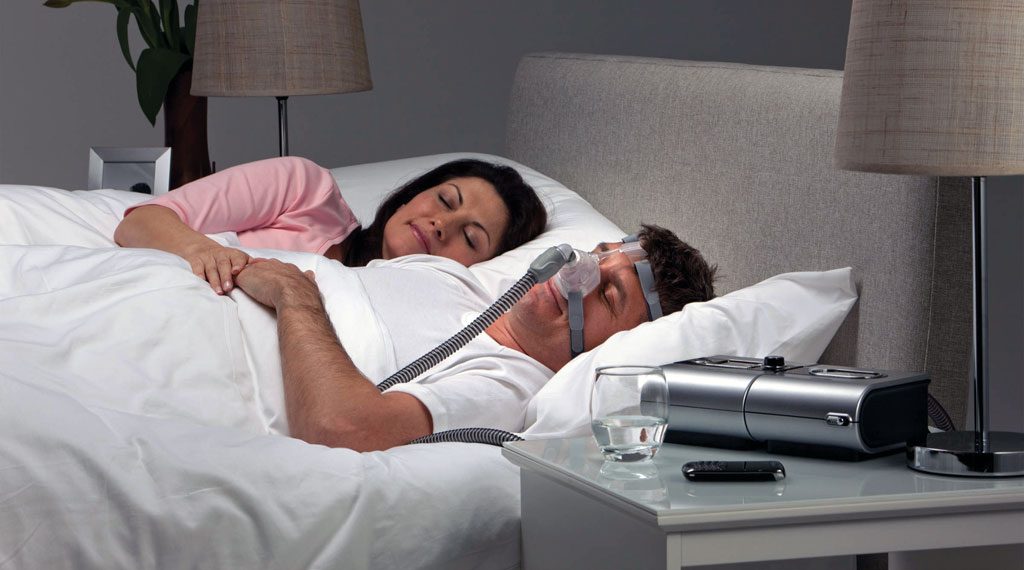
Reports from a sleeping partner that you grind your teeth.
According to the American Dental Association’s patient resource, teeth grinding can contribute to tooth damage and jaw discomfort.
If you notice these symptoms, a dental assessment can help identify the cause and determine whether your teeth need protection before cosmetic treatment.
Can You Get Veneers If You Grind Your Teeth?
Yes, some people who grind their teeth may still be suitable candidates for veneers, but careful assessment is essential.
The decision depends on factors such as the severity of grinding, the amount of remaining tooth enamel, the condition of existing restorations, and how the upper and lower teeth meet when biting.
Veneers cover the front surface of a tooth. They are not designed to eliminate bruxism or automatically protect the teeth against excessive biting forces.
For patients with significant grinding, placing veneers without addressing the underlying risks may increase the likelihood of restoration failure.
A dentist may recommend managing the grinding habit and evaluating the bite before proceeding with treatment. In some cases, an alternative restorative option may be more appropriate.
How Does Teeth Grinding Affect Dental Veneers?
1. Chipping and cracking
Repeated pressure can place stress on veneer materials, particularly when the teeth make heavy or uneven contact. This can lead to chips or fractures.
2. Wear and damage to natural teeth
Grinding can gradually wear down natural tooth structure. It may also affect the edges and surfaces of restorations, making long-term planning especially important.
3. Bite-related discomfort
If the bite is not properly assessed, some patients may experience discomfort when chewing or notice that their teeth do not meet comfortably after treatment.
4. The need for repairs or replacement
Veneers may require repair, rebonding, or replacement if they become damaged or loosen. Managing grinding risk can be an important part of protecting the investment in cosmetic dentistry.
Why Bite Assessment Matters Before Veneers
Cosmetic dentistry should consider both the appearance of the teeth and the way they function.
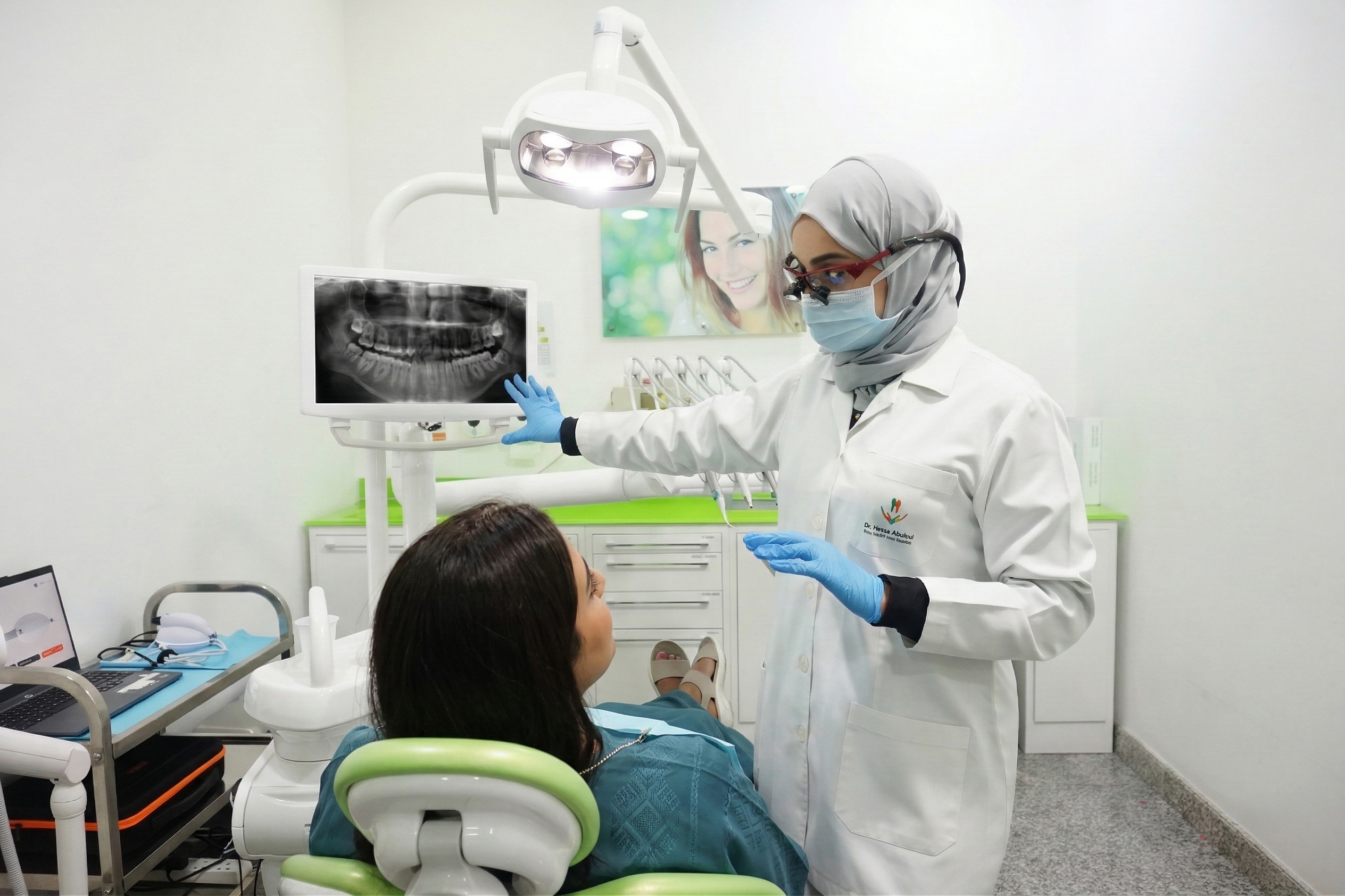
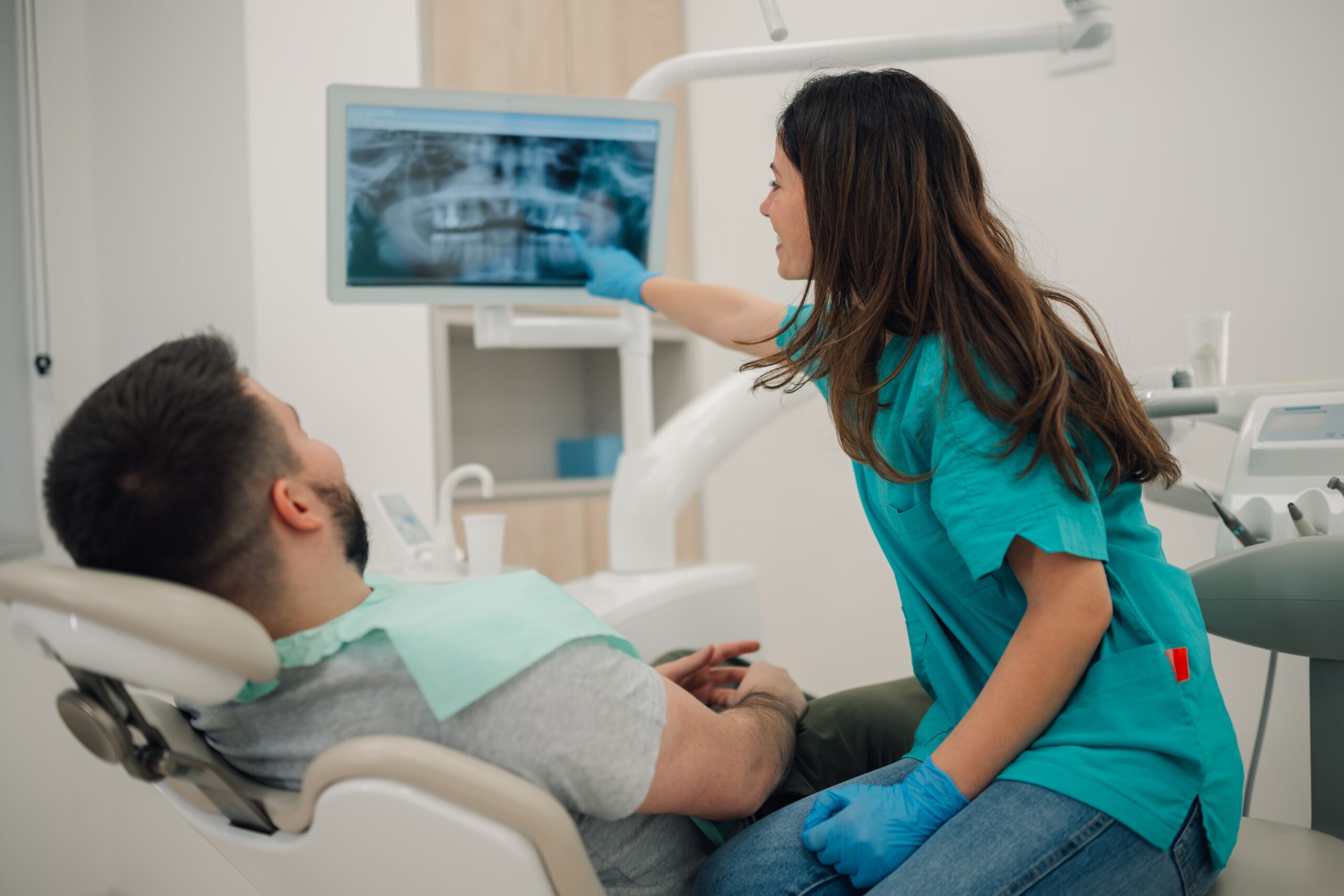
A bite assessment evaluates how the upper and lower teeth contact one another, whether certain teeth experience excessive loading, and whether there are signs of wear or other functional concerns.
This is particularly relevant for patients with a history of:
Repeated veneer or crown fractures.
Worn-down teeth.
Jaw muscle discomfort.
Clenching or grinding during sleep.
Existing bite problems.
Dr. Hafsa Al Idrissi’s approach to bite-stable smile design in Dubai considers functional stability alongside aesthetic goals. The appropriate treatment plan depends on the individual clinical findings.
Learn more about bite-stable smile design in Dubai.
What Treatment Options May Be Considered?
There is no single solution for every patient who grinds their teeth. Depending on the examination, treatment may include the following options.
Custom night guard
A dentist may recommend a professionally fitted night guard to help protect teeth and restorations from grinding forces during sleep. A night guard does not necessarily stop the underlying grinding activity, but it may help reduce damage.
Managing the causes and contributing factors
The dentist may review daytime clenching, sleep quality, stress, medication history, and other relevant factors. Persistent or severe symptoms may require collaboration with other healthcare professionals.
Alternative restorative treatments
Depending on the amount of tooth damage and the remaining tooth structure, a dentist may discuss veneers, crowns, or other restorative options. The most suitable choice depends on the clinical situation rather than appearance alone.
TMJ and jaw assessment
If grinding occurs alongside jaw pain, headaches, or difficulty opening the mouth, an assessment of the jaw muscles and temporomandibular joint may be appropriate.
Patients experiencing these concerns can learn more about TMJ treatment in Dubai.
How to Protect Veneers if You Grind Your Teeth
If you already have veneers or are planning to get them, consider these practical steps:
Attend regular dental reviews to monitor your veneers and natural teeth.
Ask your dentist whether a custom night guard is appropriate.
Avoid biting hard objects, chewing ice, or using your teeth to open packaging.
Report new sensitivity, chips, loosened veneers, or changes in your bite promptly.
Follow your dentist’s advice on managing clenching and other contributing factors.
These measures can help support oral health, although no restoration can be guaranteed to last indefinitely.
Frequently Asked Questions
Are veneers a bad choice for people with bruxism?
Not necessarily. Some patients may be suitable after a thorough assessment, while others may need to address significant grinding or consider different restorative options first.
Can veneers stop teeth grinding?
No. Veneers change the appearance and, in some cases, the shape of teeth. They do not treat the underlying causes of bruxism.
Should I wear a night guard after getting veneers?
A dentist may recommend a custom night guard if you grind or clench your teeth. The recommendation depends on your bite, restoration type, and individual risks.
Are crowns better than veneers for people who grind their teeth?
Not in every case. Crowns cover more of the tooth than veneers, but the choice depends on tooth structure, the extent of damage, bite forces, and other clinical factors. Crowns are not immune to damage from grinding.
Who should I consult before getting veneers in Dubai?
Consider consulting a dentist experienced in restorative and cosmetic treatment who can evaluate your teeth, bite, and grinding history before recommending a procedure.
Conclusion: Plan Your Smile Around Function as Well as Appearance
Veneers can be an effective cosmetic option for suitable patients, but teeth grinding needs to be considered during treatment planning. Assessing the bite, identifying signs of bruxism, and choosing an appropriate restoration can help reduce avoidable risks.
If you are considering veneers in Dubai and have noticed worn teeth, jaw discomfort, or repeated damage to dental work, a professional assessment is a sensible first step.
Consult Dr. Hafsa Al Idrissi to discuss your dental concerns and explore an individualised approach to cosmetic and restorative dentistry.
Visit Dr. Hafsa Al Idrissi’s website to learn more about her dental services and request a consultation.
This article is for general educational purposes and does not replace an individual dental examination or diagnosis.