Sleep apnea and aging are directly and scientifically linked. Untreated sleep apnea prevents the body from reaching deep restorative sleep, eliminating the critical window during which collagen is produced, growth hormone is released, and cellular repair occurs. Over time, this leads to accelerated skin aging, hormonal disruption, chronic inflammation, and visible facial changes. Addressing sleep …

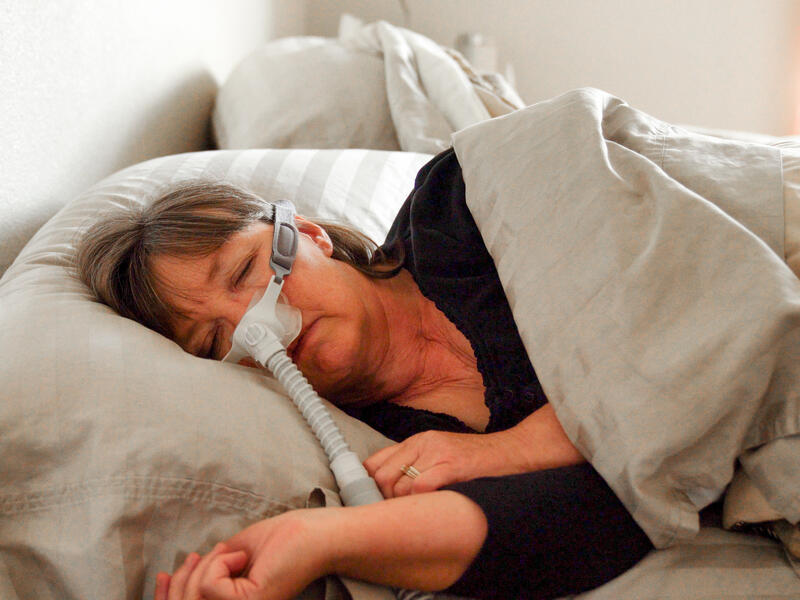
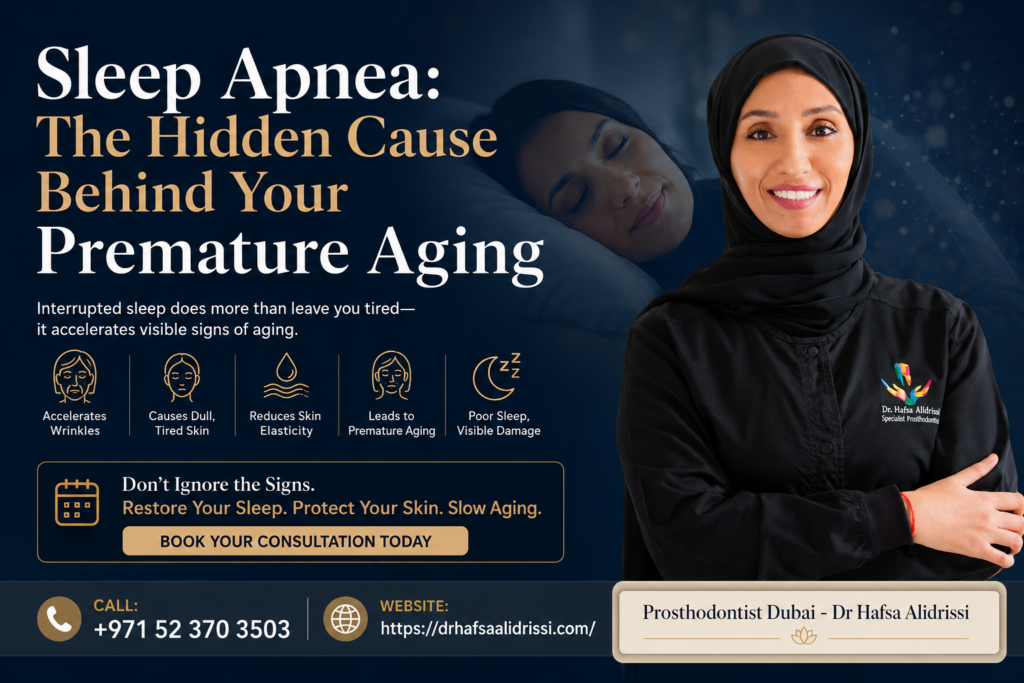
Poor sleep and aging are more closely connected than most people realize. When the body does not receive adequate restorative sleep, it triggers biological changes that accelerate skin aging, hormonal imbalance, and collagen breakdown. Chronic sleep deprivation especially when linked to sleep apnea increases cortisol levels, reduces cellular repair, and visibly ages the face and body. Improving sleep quality is one of the most powerful yet overlooked anti-aging strategies.
What is Sleep Apnea and Why Does It Matter for Aging
Defining the Condition
Sleep apnea is a sleep disorder characterized by repeated interruptions in breathing during sleep. These interruptions called apnea events can last from a few seconds to over a minute and may occur dozens or even hundreds of times per night. The most common form is obstructive sleep apnea, in which the soft tissue at the back of the throat collapses and blocks the airway.
Each time an apnea event occurs, the brain partially wakes the body to resume breathing. This prevents the sleeper from reaching or sustaining the deep sleep stages specifically slow wave sleep and REM sleep that are essential for biological repair.
Who is Affected
Sleep apnea affects an estimated one billion people globally. It is significantly underdiagnosed, particularly in women, who frequently present with atypical symptoms such as:
- Chronic fatigue despite adequate time in bed
- Morning headaches
- Difficulty concentrating
- Low mood or depression
- Frequent nighttime urination
The classic symptom of loud snoring is more commonly associated with male patients, which means women are often dismissed or misdiagnosed for years.
The Aging Consequence
Every night of untreated sleep apnea is a night the body cannot fully repair itself. Over months and years, this cumulative deficit produces measurable and visible aging that goes far beyond what would be expected from chronological age alone.
Sleep Apnea and Cortisol : The Stress Hormone That Ages You
How Sleep Apnea Elevates Cortisol
Each apnea event is interpreted by the brain as a physiological emergency. In response, the adrenal glands release cortisol the primary stress hormone to stimulate breathing and restore alertness. In a patient with moderate to severe sleep apnea, this emergency response is triggered repeatedly throughout the night, resulting in chronically elevated cortisol levels.
What Elevated Cortisol Does to Skin and Tissue
Chronically high cortisol is one of the most destructive forces in the aging process. It:
- Breaks down collagen and elastin in the skin
- Increases systemic inflammation at the cellular level
- Weakens the skin barrier, increasing sensitivity and water loss
- Promotes visceral fat accumulation around the abdomen and face
- Activates matrix metalloproteinases (MMPs) enzymes that actively degrade the skin’s structural proteins
- Disrupts the production of hyaluronic acid, reducing skin plumpness and hydration
The Visible Result
Patients with untreated sleep apnea and chronically elevated cortisol often present with:
- Accelerated formation of fine lines and wrinkles
- Thinning and fragile skin
- Persistent facial redness and inflammation
- Reduced skin elasticity and increased sagging
- Poor response to aesthetic treatments due to compromised tissue health
Sleep Apnea and Collagen: Why Your Skin Loses Its Structure
The Collagen Production Window
The majority of the body’s collagen synthesis occurs during slow wave deep sleep, driven by the pulsatile release of human growth hormone. This is the body’s primary structural repair window — and it is the window that sleep apnea destroys.
In a patient with untreated obstructive sleep apnea, deep sleep is consistently fragmented or entirely absent. Without sustained deep sleep:
- Growth hormone output is significantly reduced
- Collagen synthesis is suppressed
- Existing collagen is degraded faster than it can be replaced
- Skin loses firmness, volume, and elasticity at an accelerated rate
Oxygen Deprivation and Collagen Damage
Sleep apnea also causes repeated episodes of hypoxia low blood oxygen during apnea events. Hypoxia damages fibroblasts, the skin cells responsible for producing collagen and elastin. Damaged fibroblasts produce less collagen and more inflammatory molecules, creating a destructive cycle of structural tissue breakdown.
Clinical studies have demonstrated that patients with obstructive sleep apnea show significantly lower skin elasticity scores and higher rates of facial volume loss compared to age-matched controls with normal sleep.
Clinical Implication for Aesthetic Patients
For patients receiving collagen-stimulating treatments such as Profhilo, RF micro needling, fractional laser, or PRP therapy, untreated sleep apnea significantly reduces treatment efficacy and longevity. The body cannot consolidate the collagen gains from these treatments without the deep sleep repair window.
Addressing sleep apnea is therefore a prerequisite for maximizing the results of any medical aesthetic intervention.
Sleep Apnea, Dark Circles, and Dull Skin :The Visible Signs
Why Sleep Apnea Causes Dark Circles
Dark circles under the eyes are among the most immediate visible consequences of sleep apnea. The mechanisms are multiple and compounding:
- Repeated oxygen desaturation causes vasodilation of the periorbital blood vessels, which are visible through the thin under-eye skin
- Chronic inflammation increases melanin deposition in the periorbital area
- Loss of collagen and subcutaneous fat deepens the tear trough, creating a shadow
- Fluid retention from poor lymphatic drainage creates puffiness that further distorts light
Skin Dullness and Uneven Tone
Sleep apnea prevents the body from completing its nightly skin cell renewal process. During deep sleep, blood flow to the skin increases and ultraviolet damage from the previous day is repaired. When this process is interrupted:
- Dead cells accumulate on the skin surface, reducing light reflection
- Skin tone becomes uneven and sallow
- Hyperpigmentation develops more readily and fades more slowly
- The skin appears dehydrated even with adequate topical hydration
Facial Puffiness and Lymphatic Disruption
Chronic sleep apnea increases systemic inflammation and disrupts the facial lymphatic drainage system. This results in persistent morning puffiness around the eyes, cheeks, and jaw. Over time, repeated inflammation damages the lymphatic vessels, making this puffiness increasingly difficult to resolve without medical intervention.
Sleep Apnea and Hormonal Imbalance The Invisible Aging Driver
Growth Hormone Suppression
Human growth hormone is the body’s most important regenerative hormone. It governs skin cell turnover, collagen synthesis, fat metabolism, and muscle maintenance. It is released almost exclusively during deep slow wave sleep the sleep stage that sleep apnea eliminates.
Patients with untreated sleep apnea have measurably lower growth hormone levels than healthy sleepers of the same age. The result is a biological age that significantly exceeds chronological age, characterized by:
- Loss of skin firmness and volume
- Increased body fat particularly in the face and abdomen
- Muscle loss and reduced physical resilience
- Impaired wound healing and slower aesthetic treatment recovery
Melatonin Reduction and Oxidative Stress
Melatonin functions as both a sleep hormone and a powerful antioxidant. During normal deep sleep, melatonin production peaks and neutralizes the free radicals generated during daily cellular activity. Sleep apnea suppresses melatonin production, leaving the body and the skin unprotected against oxidative damage.
Oxidative stress is a primary driver of cellular aging, DNA damage, and the breakdown of skin proteins. Without adequate melatonin protection, skin ages at a measurably faster rate.
Leptin, Ghrelin, and the Weight-Apnea Cycle
Sleep apnea disrupts the hormonal regulation of appetite and metabolism:
- Leptin levels fall, reducing the sensation of fullness
- Ghrelin levels rise, increasing hunger and cravings for processed foods
- Insulin sensitivity decreases, promoting fat storage
The resulting weight gain particularly central and facial adiposity further narrows the airway and worsens sleep apnea severity, creating a self-reinforcing cycle that requires medical intervention to break.
Estrogen, Testosterone, and Skin Health
Sleep apnea also suppresses sex hormone production. In women, reduced estrogen levels result in:
- Decreased skin hydration and thickness
- Accelerated collagen loss
- Increased sensitivity and reactivity
- Worsened perimenopause symptoms
In men, reduced testosterone leads to muscle loss, increased body fat, and reduced skin firmness. Both sexes experience accelerated visible aging when sex hormones are chronically suppressed by untreated sleep apnea.
Diagnosing Sleep Apnea : What You Need to Know
Common Signs and Symptoms
Seek medical evaluation if you experience:
- Loud or disruptive snoring
- Waking with a gasping or choking sensation
- Persistent fatigue despite 7 to 9 hours in bed
- Morning headaches
- Difficulty maintaining concentration
- Mood changes, irritability, or depression
- Dry mouth upon waking
- Observed pauses in breathing reported by a partner
Sleep Study and Diagnosis
Sleep apnea is diagnosed through a sleep study, known as polysomnography, conducted either in a clinical sleep laboratory or through a validated home sleep testing device. The study measures breathing patterns, oxygen saturation levels, brain activity, and body movements during sleep.
Treatment Options
Treatment for sleep apnea depends on severity and underlying cause:
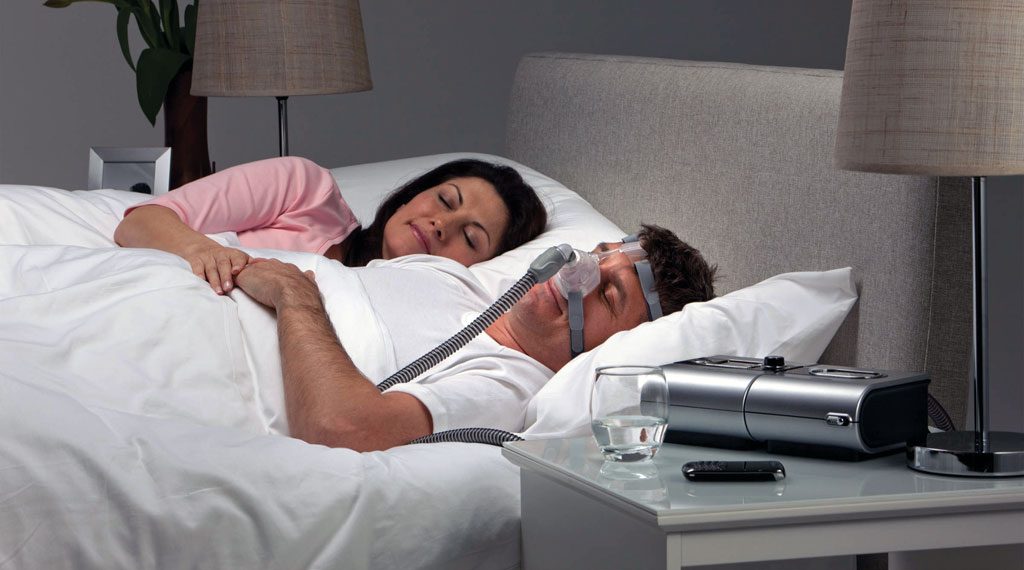
- Continuous positive airway pressure (CPAP) therapy : the gold standard for moderate to severe OSA
- Oral appliance therapy : a custom dental device that repositions the jaw to maintain airway patency
- Positional therapy : for patients whose apnea is position-dependent
- Surgical intervention : for cases involving anatomical obstruction
- Weight management : a critical component for overweight patients, as even modest weight reduction significantly improves apnea severity
For specialist assessment of airway-related and dental concerns, Dr. Hafsa Al Idrissi also provides clinical care at Dubai Healthcare City.
The information provided in this article is intended for general educational purposes only and does not constitute medical advice. Sleep apnea is a medical condition that requires professional diagnosis and treatment. If you are experiencing symptoms described in this article, please consult a qualified physician or sleep specialist. Dr. Hafsa Al Idrissi and her clinical team are available for personalized consultations to discuss aesthetic and holistic health concerns related to sleep and aging.
Q1: What is the connection between sleep apnea and aging?
Sleep apnea prevents the body from reaching deep restorative sleep, eliminating the window during which collagen is produced, growth hormone is released, and cellular repair occurs. This results in accelerated skin aging, hormonal imbalance, and chronic inflammation that ages the face and body significantly faster than normal chronological aging.
Q2: Can sleep apnea cause dark circles and puffy eyes?
Yes. Sleep apnea causes repeated oxygen desaturation which dilates periorbital blood vessels, increases melanin deposition, and disrupts lymphatic drainage all of which contribute to dark circles, puffiness, and a hollowed under-eye appearance.
Q3: Does treating sleep apnea improve skin quality?
Yes. When sleep apnea is effectively treated and deep sleep is restored, the body resumes its normal collagen production, hormonal regulation, and cellular repair processes. Most patients notice improvements in skin texture, hydration, and overall complexion within weeks of beginning effective treatment.
Q4: Is sleep apnea only a problem for overweight people?
No. While excess weight is a significant risk factor, sleep apnea can affect people of any body type. Anatomical factors such as jaw structure, nasal septum deviation, and tongue size can all contribute to airway obstruction during sleep regardless of body weight.
Q5: What is the difference between snoring and sleep apnea?
Snoring is a sound caused by partial vibration of the airway tissues during sleep. Sleep apnea involves a complete or near-complete collapse of the airway, resulting in a cessation of breathing. Not all snorers have sleep apnea, but most people with sleep apnea do snore. A sleep study is required to make a definitive diagnosis.
Q6: Can aesthetic treatments fix the skin damage caused by sleep apnea?
Aesthetic treatments such as PRP therapy, dermal fillers, skin boosters, and laser resurfacing can significantly improve the visible signs of sleep apnea related skin aging. However, they are most effective when the underlying sleep disorder is being treated simultaneously, as the body needs adequate deep sleep to consolidate the collagen gains from these procedures.
Q7: How is sleep apnea diagnosed?
Sleep apnea is diagnosed through a sleep study either conducted in a clinical sleep laboratory or using a validated home testing device. The study measures breathing patterns, oxygen levels, and brain activity during sleep to determine the presence and severity of apnea events.
Q8: When should I see a doctor about sleep apnea?
You should seek medical evaluation if you experience persistent fatigue, loud snoring, morning headaches, difficulty concentrating, mood changes, or if a partner has observed pauses in your breathing during sleep. Early diagnosis and treatment significantly reduces the health and aging consequences of untreated sleep apnea.
Tags:obstructive sleep apneasleep apnea and agingsleep apnea and skin healthsleep apnea and weight gainsleep apnea anti agingsleep apnea collagen breakdownsleep apnea collagen losssleep apnea cortisolsleep apnea dark circlessleep apnea diagnosissleep apnea facial agingsleep apnea growth hormonesleep apnea hormonal imbalancesleep apnea inflammationsleep apnea melatoninsleep apnea premature agingsleep apnea skin agingsleep apnea symptomsSleep Apnea Treatmentsleep apnea women symptoms